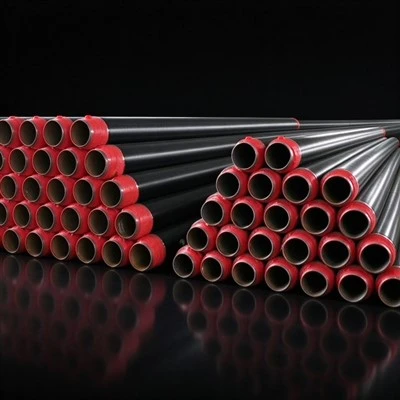



Cangzhou Avant International Trade Co., Ltd. is one of the leading manufacturers and suppliers of pre-insulated direct buried pipe in China. We are committed to providing high quality customized products with competitive price. Welcome to wholesale cheap pre-insulated direct buried pipe in stock here from our factory. Also, free sample is available.
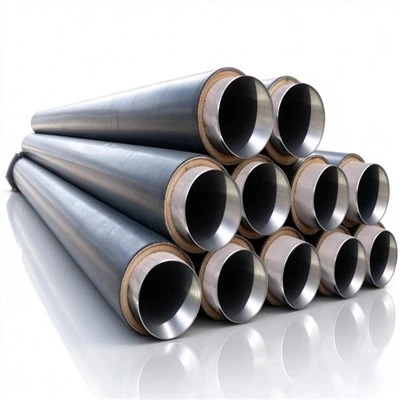
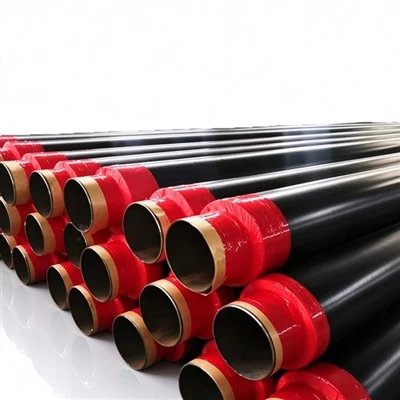
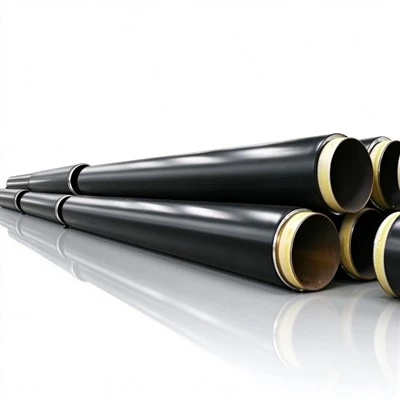
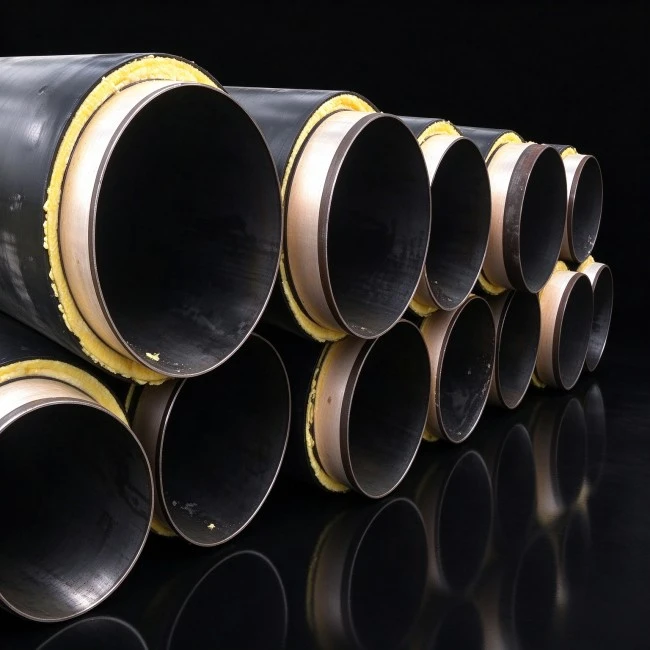
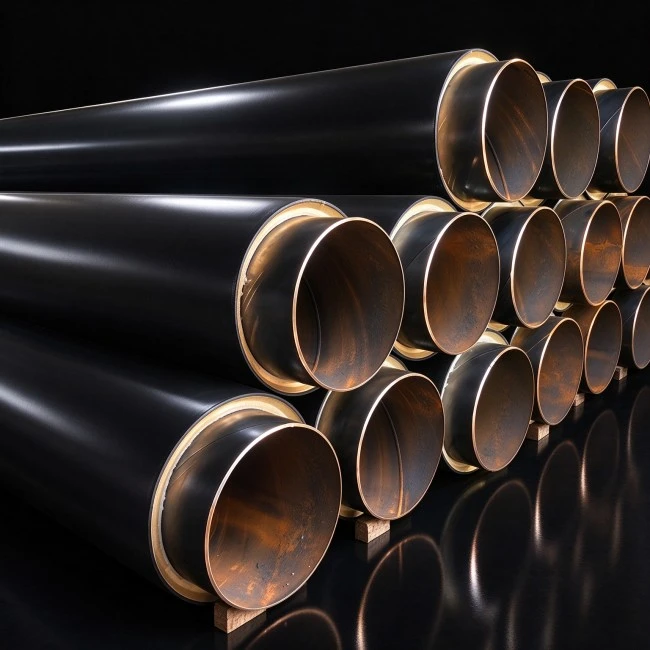
Prefabricated direct-buried insulated pipes typically employ a three-layer composite structure, each layer performing its specific function:
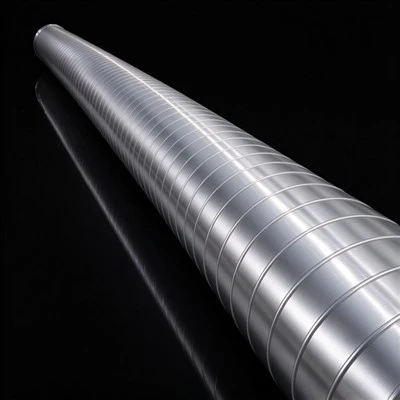
Working Steel Pipe: The core of the pipeline, used to transport media such as hot water and steam. Depending on the operating conditions, seamless steel pipes, spiral welded steel pipes, etc., can be selected, with materials such as Q235B and 20# steel being the most common.
Insulation Layer: Tightly wrapped around the working steel pipe, it is crucial for reducing heat loss. The most commonly used insulation material is rigid polyurethane foam, which has low thermal conductivity, high closed-cell ratio, and excellent insulation performance. For high-temperature steam, high-temperature resistant materials such as rock wool and aluminum silicate fiber felt are also used.
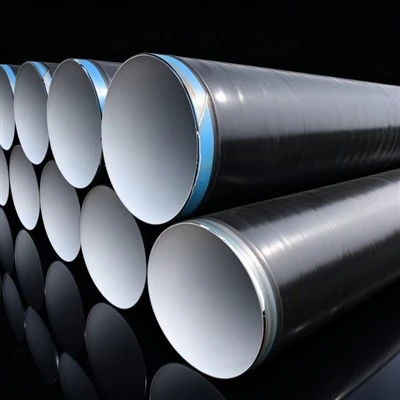
Outer Sheath: Located on the outermost layer, it mainly protects the insulation layer from groundwater erosion and mechanical damage. Common materials include high-density polyethylene (HDPE) and fiberglass reinforced plastic (FRP), both of which have good corrosion resistance, water resistance, and a certain degree of mechanical strength.
Main Advantages of Prefabricated Direct-Buried Insulated Pipes
High Efficiency and Energy Saving: Excellent insulation performance reduces heat loss to a very low level. Compared with traditional trench laying, heat loss can be reduced by about 75%, significantly improving energy utilization efficiency.
Corrosion Resistance and Durability: The outer sheath and insulation layer work together to effectively isolate air and moisture, preventing corrosion of the working steel pipe. Under normal operating conditions, its service life can reach 30-50 years.
Convenient Construction: Prefabricated in the factory, no pipe trenches need to be built on site; it can be directly buried, which can significantly shorten the construction period and reduce the overall project cost by 10%-25%. Safe and Reliable: Some products can have leak alarm wires pre-embedded in the insulation layer. Once a leak occurs, it can be quickly located using specialized instruments, facilitating timely repairs and ensuring the safe operation of the pipeline network.
From an engineering implementation perspective, the biggest advantage of this pipe material is the significant simplification of the construction process. Traditional heating pipelines require on-site anti-corrosion treatment, insulation wrapping, and concrete trench pouring, which are cumbersome, time-consuming, and extremely costly in terms of labor. Prefabricated direct-buried insulated pipes, on the other hand, are finished products delivered from the factory. On-site work only requires welding and sealing of the joints, eliminating the need for complex civil engineering construction. They can be directly buried, greatly shortening the construction period for overseas projects and effectively reducing on-site construction and labor costs, making them highly suitable for overseas infrastructure projects with tight schedules.
The core insulation layer uses high-density polyurethane closed-cell foam, which is key to the pipe's energy-saving insulation. This material has extremely low thermal conductivity, and its closed-cell structure can lock in heat energy to the maximum extent, significantly reducing heat loss during pipeline transportation, resulting in outstanding energy-saving effects. Moreover, the closed-cell structure offers excellent waterproof and moisture-proof performance, effectively isolating underground moisture and rainwater penetration, completely preventing insulation layer water absorption failure and pipe corrosion, making it perfectly suited for complex overseas working conditions characterized by humidity, heavy rainfall, and abundant groundwater.

The outer HDPE polyethylene protective shell bears the heavy responsibility of protection, boasting high toughness, impact resistance, and resistance to acid and alkali corrosion, capable of withstanding damage from soil compression, ground subsidence, and impacts from external objects. Compared to ordinary sheet metal protective layers, the HDPE shell is less prone to rust and cracking, offering stronger sealing. When buried underground, it provides comprehensive protection for the internal insulation layer and steel pipes, significantly extending the service life and operational stability of the entire pipeline network.
Hot Tags: pre-insulated direct buried pipe, China pre-insulated direct buried pipe manufacturers, suppliers, factory