


Cangzhou Avant International Trade Co., Ltd. is one of the leading manufacturers and suppliers of cold pipe shoe in China. We are committed to providing high quality customized products with competitive price. Welcome to wholesale cheap cold pipe shoe in stock here from our factory. Also, free sample is available.
These supports are primarily used for pipelines carrying cryogenic or low-temperature media-such as liquid oxygen, liquid nitrogen, LNG, liquid ammonia, or chilled brine. Their core purpose is not just to bear the pipe's weight, but to sever the thermal bridge between the pipe and the steel support structure. Without such an insulating structure, cold energy would conduct directly through the metal support into the steel framework, allowing heat to continuously infiltrate the pipeline. This not only increases energy consumption but also leads to condensation and icing, which can gradually degrade the entire insulation system and, in severe cases, cause abnormal stress on the piping.
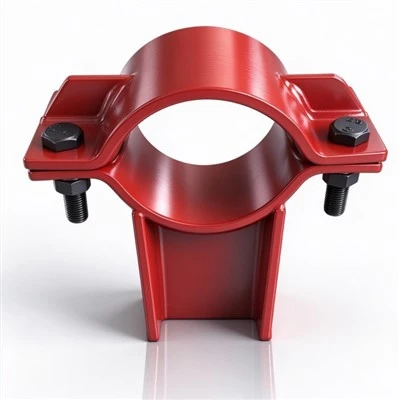
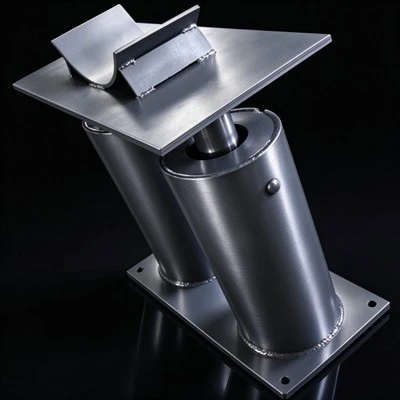
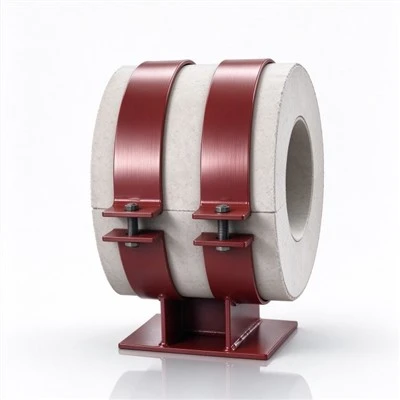
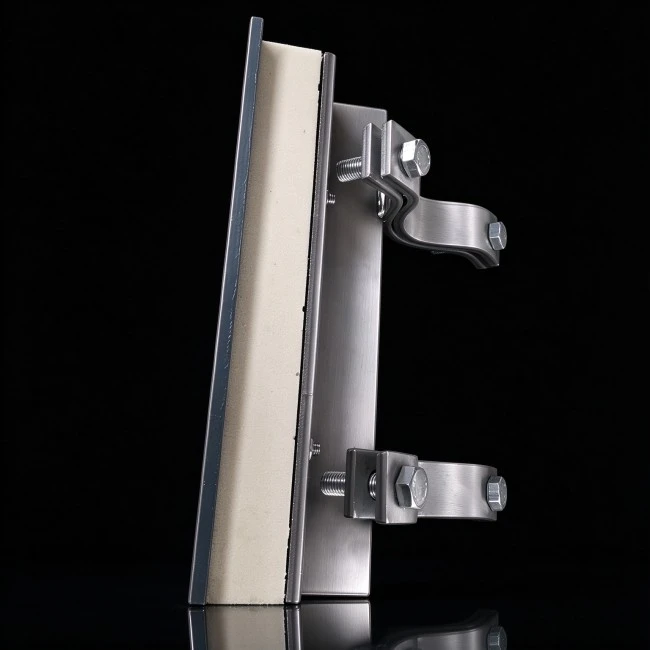
A typical cold pipe shoe consists of three main parts: a base, a pipe clamp (or cradle), and an intermediate insulating block-the latter being the most critical component. Common insulating materials include polyurethane, phenolic foam, high-density wood blocks, and aerogel composite panels, each suited to specific temperature ranges. Polyurethane blocks offer a strong balance of cost and performance, making them ideal for standard chilled-water or low-temperature glycol lines. Phenolic foam and high-density hardwood blocks provide superior load-bearing capacity, making them suitable for medium-to-low temperature applications with heavier loads. For cryogenic applications like LNG, specialized composite insulating materials are typically used; these offer excellent resistance to extreme cold, low thermal conductivity, and the necessary compressive strength. The outer shell and clamp components are generally made of carbon steel-which can be galvanized or epoxy-coated for corrosion protection-or stainless steel if the operating environment is highly corrosive.
When selecting a cold pipe shoe, in addition to considering the pipe's outer diameter, design load, and operating temperature, it is essential to carefully evaluate the material's linear contraction (thermal shrinkage). Cryogenic piping undergoes contraction-induced displacement as it cools. To accommodate this, many projects incorporate sliding mechanisms-specifically, "sliding-type" cold pipe shoes-which allow the pipe to move axially along the support, thereby preventing additional stress caused by thermal contraction. For locations where movement must be restricted, "fixed-type" cold pipe shoes are used. Our products are manufactured in compliance with relevant piping support and hanger standards (such as HG/T, SH, and GB) and can also be tailored to meet international project specifications. We offer customization based on client drawings or stress analysis data, including specific dimensions, sliding plate configurations, and anti-corrosion treatments.
When selecting these components, key parameters to consider include: pipe outer diameter, insulation thickness, medium temperature, design load, expected displacement, installation method, anti-corrosion requirements, and applicable standards. It is particularly important to ensure that the thickness of the cryogenic insulation block matches the thickness of the pipe's insulation layer to prevent the formation of "thermal bridges" (cold bridges) at the support points. Furthermore, all cut surfaces, bolt holes, and contact areas must be properly treated with anti-corrosion coatings and sealants; otherwise, the components may prematurely degrade in humid environments.
These products are widely used in sectors such as petrochemicals, LNG, air separation, cold storage, central air conditioning, pharmaceuticals, food and beverage, shipbuilding, industrial refrigeration, and energy pipeline systems. For export projects, clients typically focus on material properties-such as thermal conductivity, compressive strength, water absorption, closed-cell content, and low-temperature performance-as well as anti-corrosion methods and compliance with project-specific standards. We provide comprehensive documentation, including material certificates, test reports, packing lists, and invoices. Packaging options include pallets, wooden crates, or reinforced bulk packing; for wooden packaging, we can also provide the necessary treatment certificates required by the destination country.
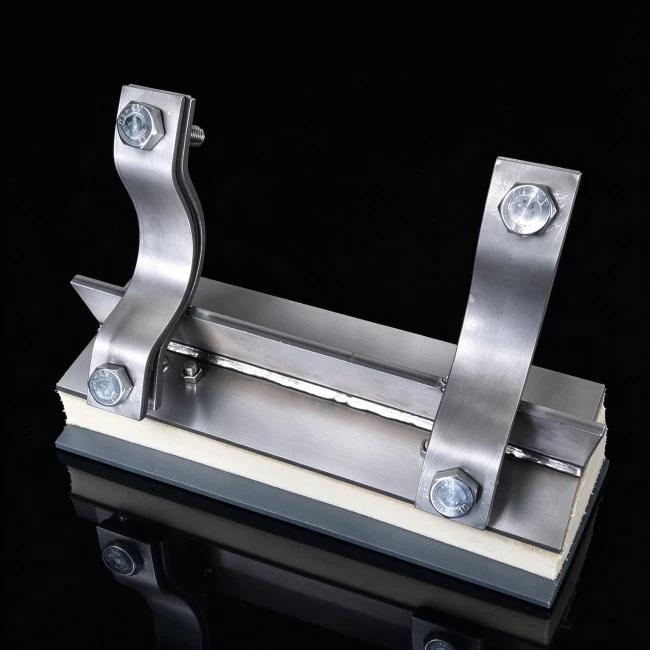

If you have specific requirements-such as pipe diameter, insulation thickness, medium temperature, load specifications, installation type, or target market standards-please share these parameters with us. We can recommend the optimal solution (using wood, polyurethane, or polyisocyanurate) based on your operating conditions. We also offer custom, non-standard manufacturing based on your drawings, as well as prototype development and volume production.
Hot Tags: cold pipe shoe, China cold pipe shoe manufacturers, suppliers, factory