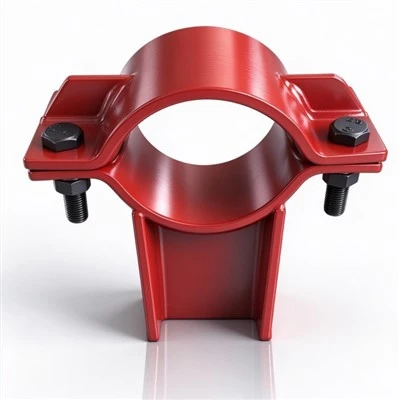

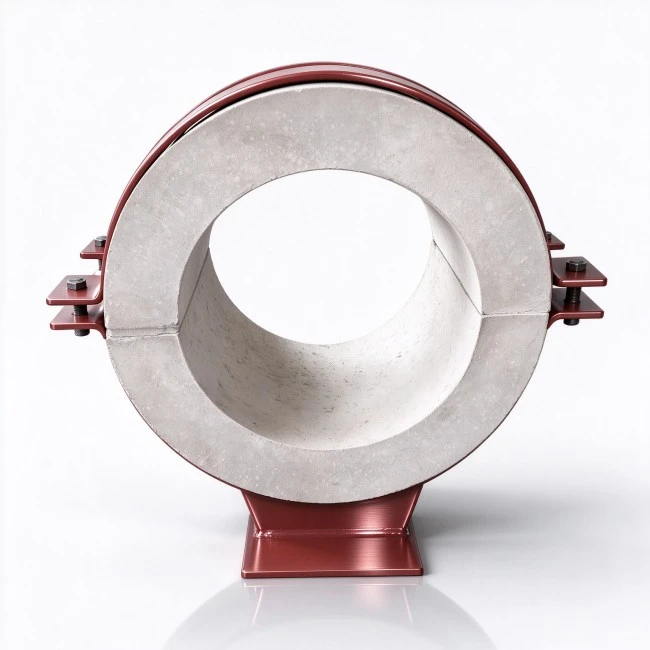
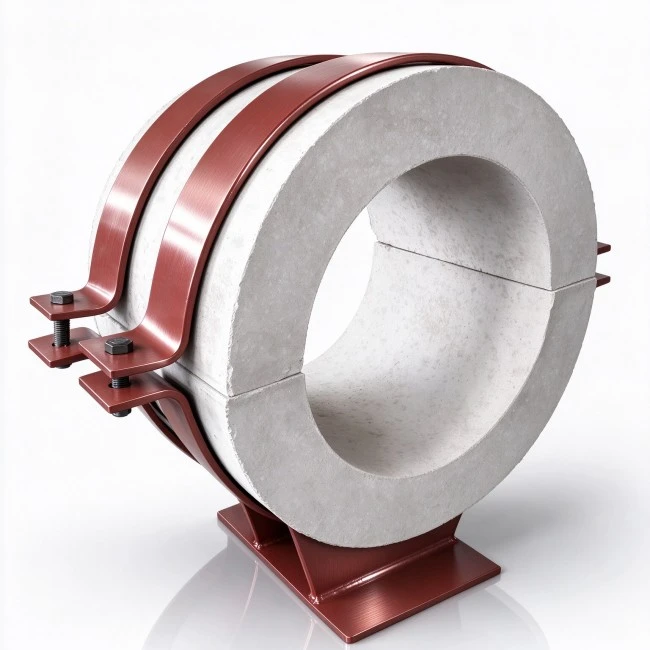
Cangzhou Avant International Trade Co., Ltd. is one of the leading manufacturers and suppliers of hot insulated pipe shoe in China. We are committed to providing high quality customized products with competitive price. Welcome to wholesale cheap hot insulated pipe shoe in stock here from our factory. Also, free sample is available.
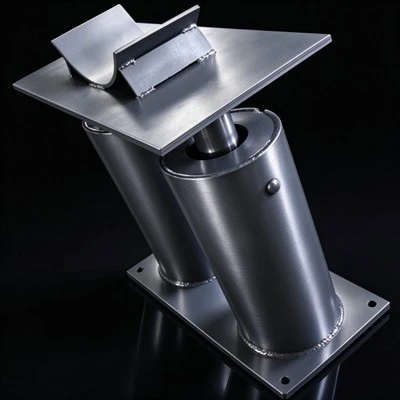
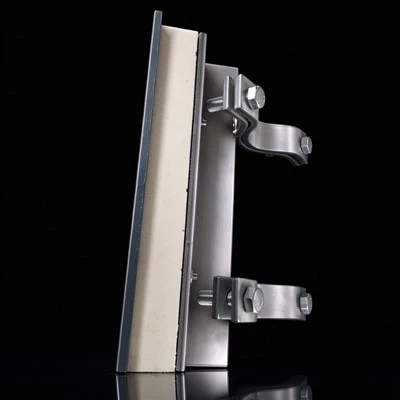
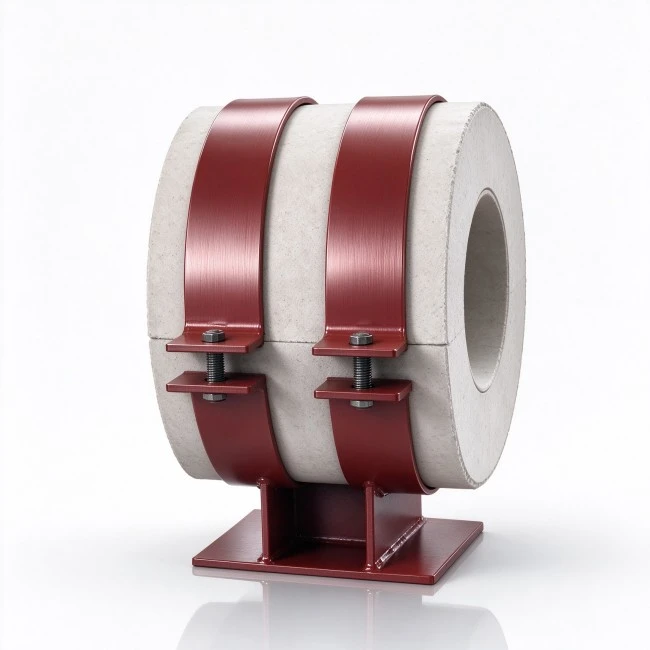
The core value of an insulated pipe shoe lies in its dual function: providing load-bearing support while maintaining thermal isolation. The choice of insulation material varies significantly based on the temperature of the medium. For cryogenic or cold-service applications (such as chilled water, LNG, or liquid nitrogen pipelines), materials like high-density polyurethane foam (HD PUF) or polyisocyanurate (PIR) are commonly used; these offer a high closed-cell content, low water absorption, and low thermal conductivity, effectively preventing the formation of cold bridges. For medium-to-high-temperature applications (such as steam or thermal oil pipelines), materials like vermiculite, microporous calcium silicate, or aerogel composites are typically employed, capable of withstanding temperatures ranging from 400°C to 650°C or higher.
In terms of structural configuration, insulated pipe shoes can be classified as fixed, sliding, guided, or limit-stop types. Sliding pipe shoes often feature a PTFE slide plate paired with a stainless-steel contact surface on the base plate. This keeps the coefficient of friction below 0.1, allowing the pipe to shift smoothly during thermal expansion or contraction and preventing binding or the buildup of excessive thrust forces. The metal components can be fabricated from carbon steel, stainless steel, or galvanized steel, with surface protection options-such as hot-dip galvanizing, epoxy coatings, or the use of stainless steel itself-selected based on the specific environmental conditions.
When selecting an insulated pipe shoe, it is essential to verify several key parameters: the outer diameter of the pipe, the temperature of the medium, the thickness of the insulation layer, the design load, the required range of displacement, the installation method, the corrosion protection grade, and the applicable technical standards. It is particularly important to ensure that the thickness of the insulation layer matches that of the pipe's own insulation to prevent the formation of localized thermal bridges at the support locations. Furthermore, all cut edges, bolt holes, and contact surfaces must be properly sealed and treated against corrosion; otherwise, the components may undergo premature aging when exposed to humid environments.
These supports are primarily designed for pipelines carrying high-temperature media. They are extensively used in municipal district heating steam networks, superheated steam pipelines in power plants, thermal oil transport lines, and high-temperature process piping in oil refineries. International EPC contractors and thermal engineering firms often procure complete piping support systems-including spring hangers, limit supports, and cold-insulation pipe shoes-as a bundled package; our factory is fully equipped to supply these comprehensive sets.
Our production of hot-insulated pipe shoes complies with domestic standards (HG, SH, and GB) as well as international project specifications such as MSS-SP-58 and ASME B31.3. We offer customization based on client drawings, load tables, and operating temperatures, covering specifications for pipe diameter, insulation thickness, sliding plate type, and anti-corrosion schemes. Before leaving the factory, each unit undergoes load-bearing and dimensional verification. We provide material certificates and inspection documentation, and the components are pre-assembled to ensure seamless integration with the external insulation layer on-site. This minimizes the need for field cutting or rework, thereby enhancing construction efficiency.
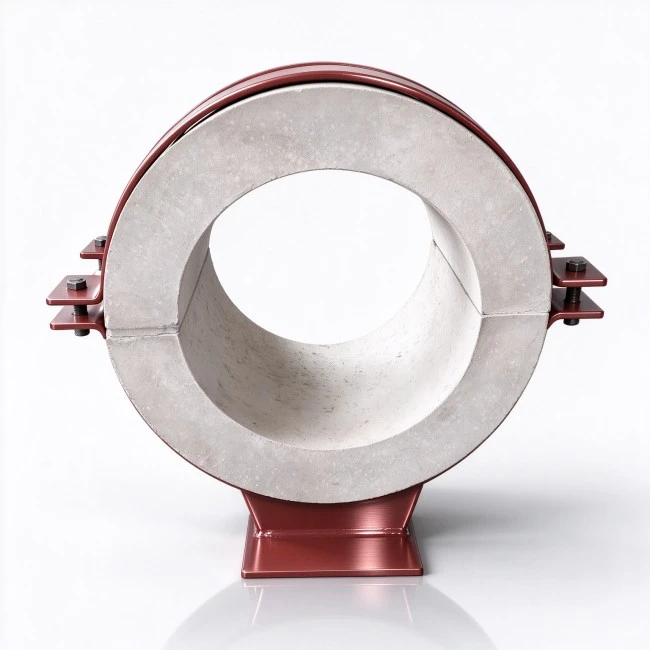
Incoming inspection of insulation core materials: Each batch is tested for density, compressive strength, and thermal conductivity. For high-temperature applications, we also conduct linear shrinkage tests (measuring dimensional changes after heating the material to its operating temperature).
Pre-assembly load testing: Once assembled, each pipe shoe undergoes a static load test at 1.5 times its operating load to check for any abnormal deformation in the insulation layer or displacement of the pipe clamps.
Surface temperature spot-checking: Where feasible, we measure the temperature on the outer surface of the pipe shoe's base plate under simulated operating conditions to verify that the thermal insulation performance meets the required standards.

Anti-corrosion treatment: High-temperature environments impose different requirements on coatings compared to standard conditions. We typically use an epoxy zinc-yellow primer paired with a high-temperature-resistant topcoat. For ultra-high-temperature applications, we employ silicone-based, high-temperature-resistant coatings, with temperature ratings matched to the surface temperature of the pipeline. If you represent a design institute, handle procurement for overseas projects, or serve as an EPC contractor, simply provide us with the pipe outer diameter, design load, medium temperature, thermal displacement, and the applicable project standards. Our technical team will verify your selection and help you avoid potential risks such as thermal bridging or failures caused by high-temperature sliding. We offer OEM and ODM customization services, utilize packaging (pallets or wooden crates) suitable for long-distance ocean transport, and ensure reliable lead times for bulk orders. If you have drawings or technical specifications, please feel free to share them with us so we can discuss a detailed solution and provide a quotation.
Hot Tags: hot insulated pipe shoe, China hot insulated pipe shoe manufacturers, suppliers, factory