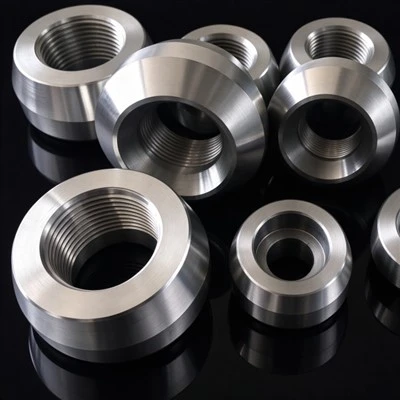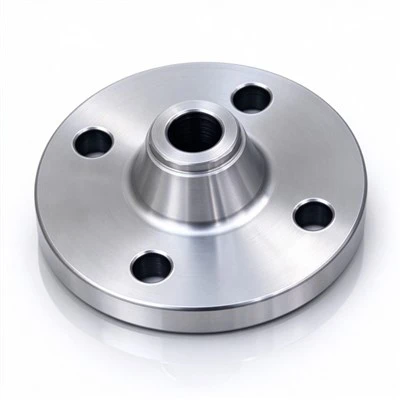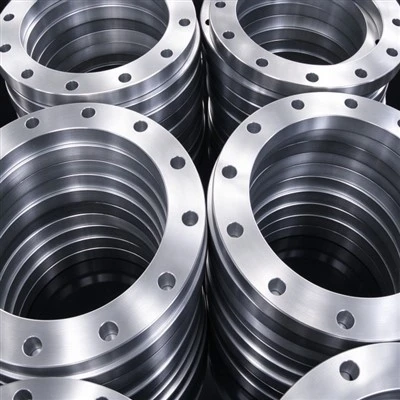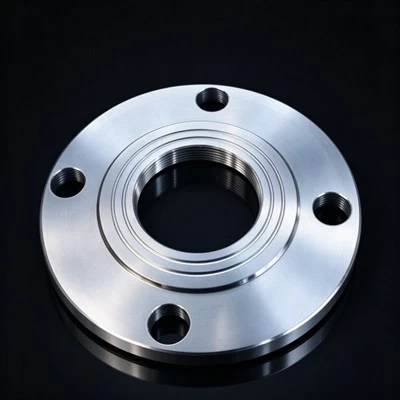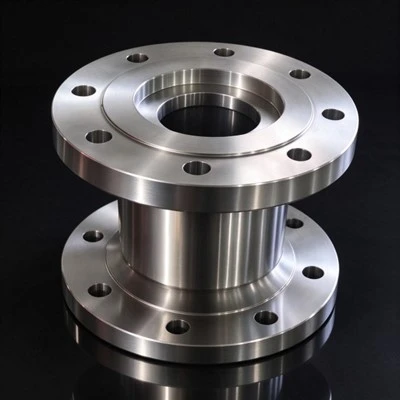

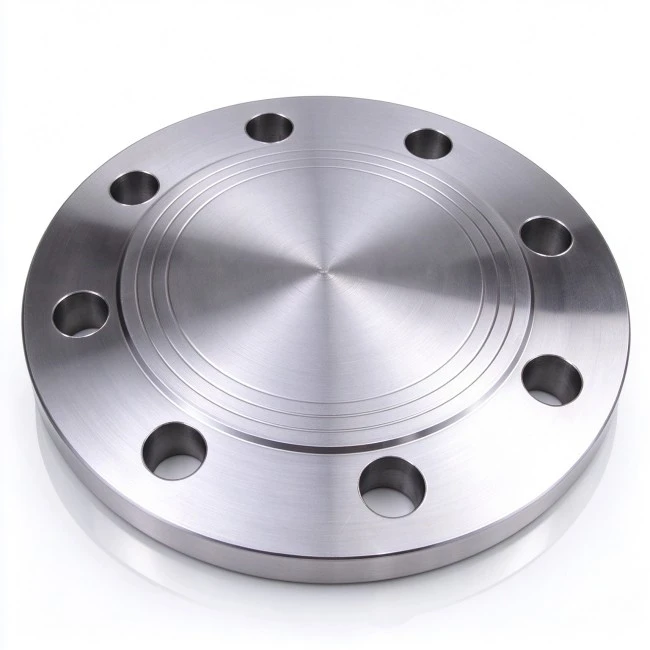


Cangzhou Avant International Trade Co., Ltd. is one of the leading manufacturers and suppliers of blind flange in China. We are committed to providing high quality customized products with competitive price. Welcome to wholesale cheap blind flange in stock here from our factory. Also, free sample is available.
A blind flange features a solid disc structure without a central fluid passage; it has pre-drilled bolt holes to match the corresponding pipe flange size and pressure rating. By installing a gasket between the two and tightening the bolts, a complete seal is achieved. Its primary advantage is providing physical isolation-a function valves cannot replicate. Blind flanges are installed during maintenance or equipment replacement to completely isolate upstream and downstream media. They are also used during the pressure testing phase of new pipelines to seal ends and create a closed chamber for testing. Additionally, they serve projects requiring future expansion interfaces by temporarily sealing pipe ends to prevent dust and debris from entering the line; when the second phase begins, the blind flange can simply be removed to connect new piping, eliminating the need for cutting or re-welding end caps and ensuring convenient installation and removal.
A wide range of materials is available, including carbon steels (A105, 20#, Q235, LF2 low-temperature carbon steel), stainless steels (304, 316L, 321), and alloy steel forgings (such as 15CrMo and 12Cr1MoV). Special materials like duplex steel and nickel-based alloys can also be supplied for highly corrosive environments. Because blind flanges must withstand full pressure on one side, they are thicker than standard flanges and are manufactured using an integral forging process to minimize internal defects. Before shipment, visual and dimensional inspections are performed, and MTR (Material Test Reports) and heat treatment reports are provided upon request; high-pressure orders can include non-destructive testing (NDT) documentation to meet material traceability requirements for overseas EPC projects. Carbon steel products can be treated with anti-rust oil or black paint to prevent rusting during maritime transport.
Many buyers confuse standard blind flanges with figure-8 blinds; here is a brief distinction. A standard blind flange requires the removal of all bolts for disassembly, making it suitable for permanent sealing or locations where flow switching is infrequent. A figure-8 blind (or spectacle blind) features a solid side and an open side; it allows for switching flow on or off simply by rotating the unit. While figure-8 blinds are ideal for pipelines requiring frequent isolation, they come at a higher cost. Selection should be based on the frequency of switching required on-site; for most standard projects, a regular blind flange is sufficient and more cost-effective.
Careful consideration is also required regarding material and specifications. Materials range from carbon steel, stainless steel, and alloy steel to certain plastics, depending on the corrosiveness of the pipeline medium. Pressure ratings cover a wide spectrum, from low-pressure PN10 to high-pressure Class 2500. Sealing face configurations mirror those of weld-neck flanges, with Raised Face (RF), Flat Face (FF), and Ring Type Joint (RTJ) being common options.
However, there are several pitfalls to avoid during procurement and usage. First is the issue of standards compatibility; the outer diameter and bolt hole pattern of the blind flange must perfectly match the mating flange, or installation will be impossible. Second, despite their simple structure, applications involving high pressure or highly toxic media impose strict requirements on thickness calculations and non-destructive testing (NDT); one cannot simply use a makeshift steel plate with a hole drilled in it.
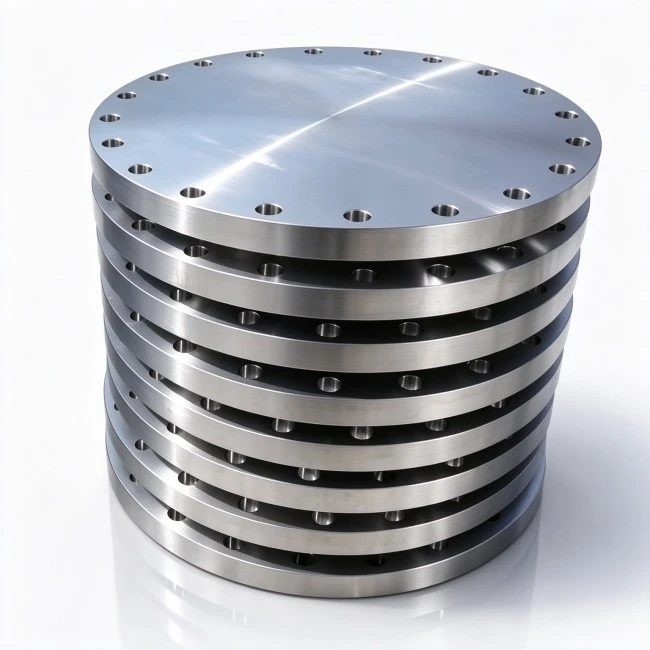

Our blind flanges are regularly exported to markets in the Middle East, Southeast Asia, Europe, and South America, finding extensive use in oil refining units, natural gas pipelines, power plant steam systems, water treatment equipment, and pressure vessel access ports. We offer rapid shipping for small stock orders and stable production scheduling for large-scale project orders. Export packaging includes protective films for sealing faces to prevent damage during transit, and we provide complete customs documentation and accommodate third-party inspections.
Hot Tags: blind flange, China blind flange manufacturers, suppliers, factory