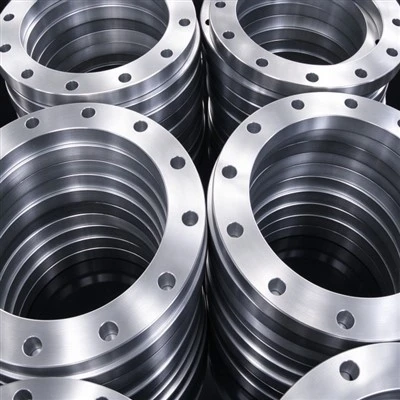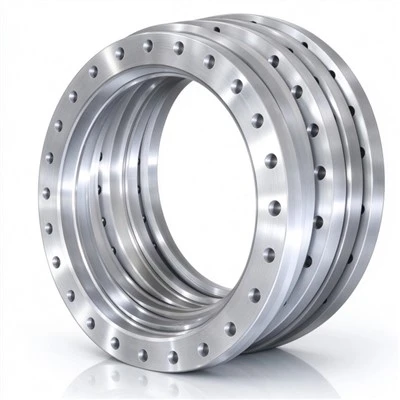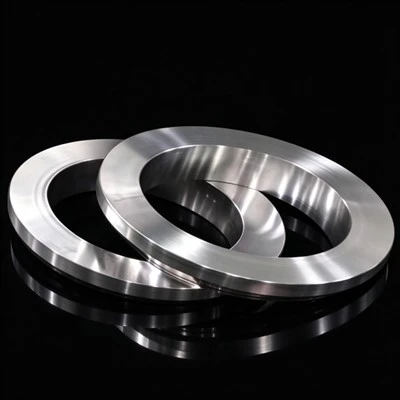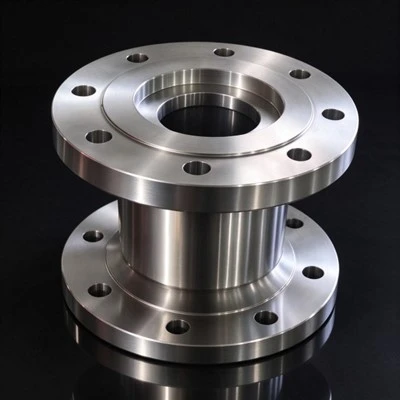

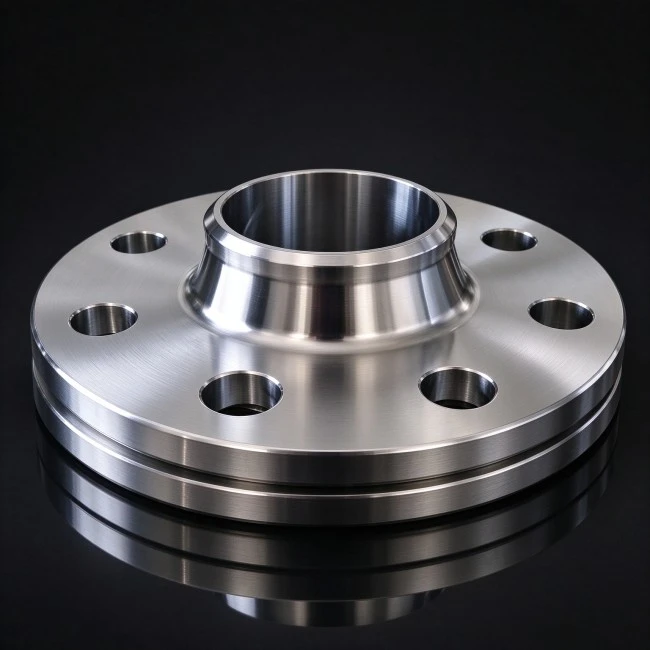
Cangzhou Avant International Trade Co., Ltd. is one of the leading manufacturers and suppliers of forged flange in China. We are committed to providing high quality customized products with competitive price. Welcome to wholesale cheap forged flange in stock here from our factory. Also, free sample is available.
The core of the forging process involves applying pressure to the steel billet, causing the internal metal grains to rearrange and compacting defects such as gas pockets or porosity. The resulting forged blank exhibits uniform mechanical strength and enhanced toughness, making it less prone to cracking under pressure fluctuations or thermal cycling. In contrast, flanges cut from standard rolled steel plate possess anisotropic properties-performance varies depending on the rolling direction-posing higher risks under high-pressure, cyclic loading conditions. Consequently, regulations for GC1 pressure piping, hydrogen-service lines, and pipelines carrying flammable or explosive media typically mandate the use of forged flanges, prohibiting the substitution of plate-cut parts.
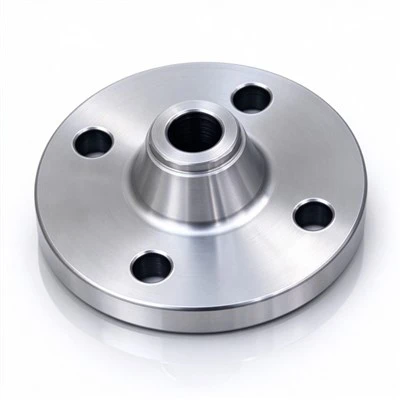
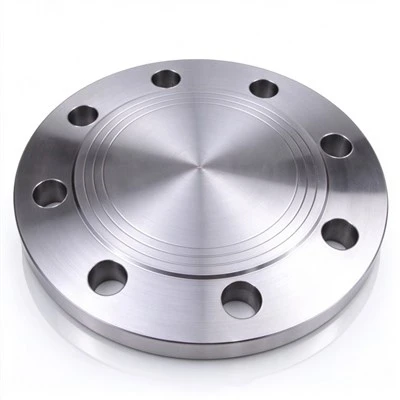
Our forged flanges comply with global engineering standards, making them suitable for projects in various regions. We manufacture products according to ASME B16.5 and ASME B16.47 (US standards), EN 1092-1 (European standards), GB/T 9113–9124 (Chinese national standards), and HG/T 20592/20615 (chemical industry standards). Our product range includes various forged flange types, such as Weld Neck (WN), Slip-On (SO), Threaded (TH), and Blind (BL). We offer pressure ratings ranging from PN10 to PN160, as well as ASME Class 150 through Class 2500. Sealing faces can be machined to specifications-including Raised Face (RF), Flat Face (FF), Male-Female (MFM), Tongue and Groove (TG), and Ring Joint (RJ) for high-pressure applications-to accommodate various gasket configurations.
A wide range of materials is available for stable forging, including carbon steels (A105, 20#, LF2 low-temperature carbon steel), stainless steels (304, 316L, 321), and alloy steels (15CrMo, 12Cr1MoV, F11, F22); forgings made of duplex steel or nickel-based alloys can also be arranged for highly corrosive or specialized operating conditions. After forging, the blanks undergo heat treatment to relieve internal stresses, stabilize material hardness, and minimize deformation during subsequent machining. Pre-shipment inspections cover visual appearance and dimensions; high-pressure orders include Ultrasonic Testing (UT) and Magnetic Particle Testing (MT), with MTRs (Material Test Reports), heat treatment certificates, and inspection records provided to meet material traceability requirements for overseas EPC projects. Carbon steel forged flanges can be treated with anti-rust oil or black anti-corrosion paint, making them suitable for long-distance ocean transport.
First, there are differences in standard systems. National Standards (GB), American Standards (ASME), and Japanese Standards (JIS) differ significantly in their forging requirements. For instance, ASME standards impose extremely strict controls on impurities like sulfur and phosphorus and strictly prohibit machining flanges directly from steel plates or bars-requiring genuine forging processes instead. In contrast, GB standards strictly categorize forging grades based on pressure ratings (e.g., Class III forgings are mandatory for PN ≥ 100). When purchasing, it is crucial to verify the standard designation on the drawings to avoid being misled by substandard products.
Second, consider the forging ratio and heat treatment. High-quality forged flanges typically require a forging ratio of 3 to 5 or higher to ensure material density. Furthermore, all forgings must undergo heat treatment processes-such as normalizing, annealing, or quenching and tempering-to relieve internal stress and stabilize mechanical properties. If a manufacturer skips heat treatment to cut costs, the flanges are prone to deformation or cracking during service.
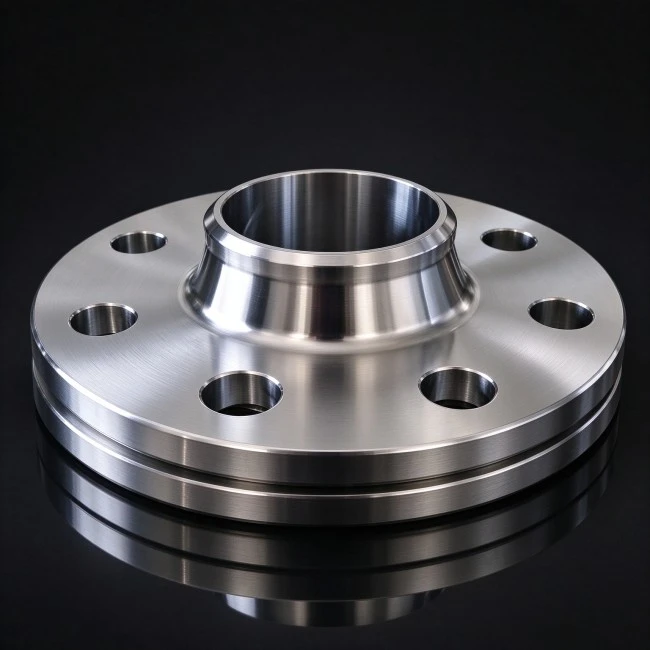
Finally, there is the balance between cost and operating conditions. Undoubtedly, the manufacturing cost of forged flanges is higher than that of cast or cut flanges. However, when it comes to critical system safety, this is an expense that simply cannot be spared. While using forged flanges for ordinary low-pressure water piping might be considered "overkill," they serve as the final line of defense against leaks and ruptures in high-pressure oil and gas systems, chemical cracking units, and nuclear power projects.

We have a long-standing export presence in the Middle East, Southeast Asia, Europe, and the Americas, with our forged flanges widely used in oil refining units, power plant steam lines, natural gas transmission, and offshore platform projects. We maintain stock of standard-sized forgings to ensure reliable lead times, and we can schedule production for extra-large dimensions or special materials based on customer drawings. Our export packaging is designed to protect sealing surfaces and bolt holes against impact during lifting and maritime transport; we also provide comprehensive customs documentation and facilitate on-site inspections by third-party agencies.
Hot Tags: forged flange, China forged flange manufacturers, suppliers, factory