

Pipeline System Connections: In long-distance transmission pipelines for the oil, gas, and chemical industries, flanges serve as critical components for sectional installation. For instance, a DN500 carbon steel flange capable of withstanding 16 MPa of pressure allows for rapid assembly and disassembly via bolted connections, facilitating future maintenance.
Equipment Interface Sealing: Flanges are used to connect inlet and outlet piping to the main bodies of equipment such as reactors, heat exchangers, and compressors. In the chemical industry, for example, Hastelloy flanges withstand highly corrosive media, ensuring stable equipment operation under extreme conditions ranging from -196°C to 600°C.
Valve Integration: Valves-such as globe valves and ball valves-require flanges at both ends, enabling seamless connection between the valve and the pipeline through standardized flange dimensions. For example, a PN40 cast steel flange paired with a DN200 gate valve can meet fluid control requirements of hundreds of cubic meters per hour.
Instrumentation Installation: Instruments like pressure transmitters and flow meters are frequently mounted on pipelines using flanges, where sealing performance directly impacts measurement accuracy. A 316L stainless steel flange paired with a PTFE gasket enables zero-leakage installation in food-grade piping systems.
Specialized Applications: In sectors such as nuclear power and deep-sea exploration, flanges must meet stringent requirements regarding radiation resistance and high-pressure tolerance. Titanium alloy flanges, processed via specialized heat treatment, maintain structural integrity in deep-sea environments at depths of 3,000 meters.
Applications Of Flanges
Popular Products
-
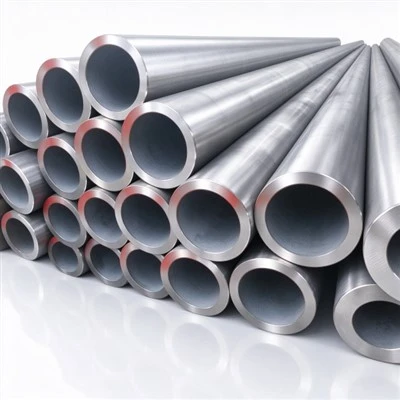
![Carbon Steel Seamless Pipe]() Carbon Steel Seamless PipeIn the global industrial pipeline engineering, energy transmission, and machinery manufacturing sectors, Carbon...read more
-
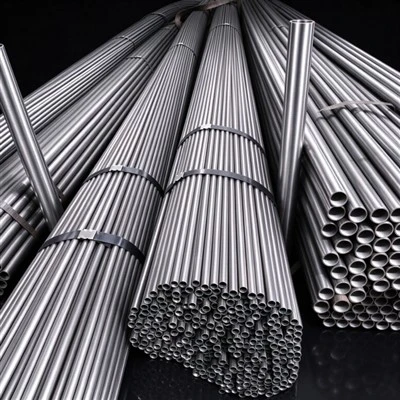
![Alloy Steel Seamless Pipe]() Alloy Steel Seamless PipeIn high-end industrial pipelines, power plants, and petrochemical refining projects, ordinary carbon steel seamless...read more
-
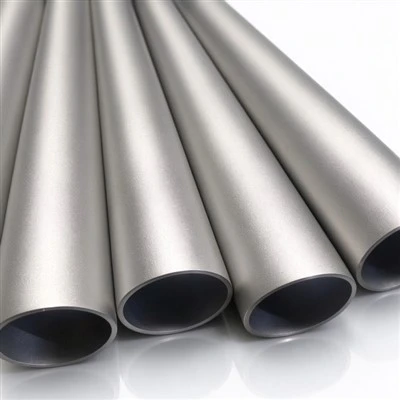
![Stainless Steel Seamless Pipe]() Stainless Steel Seamless PipeIn industrial piping systems, the selection of pipe materials often directly determines the operational stability...read more
-
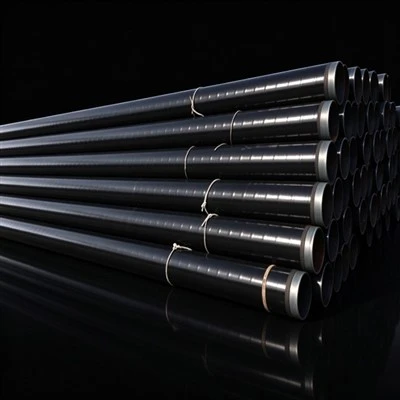
![High-Pressure Seamless Steel Pipe]() High-Pressure Seamless Steel PipeIn power, petrochemical, boiler, and hydraulic systems, there is a type of pipeline that constantly withstands...read more
Send Inquiry