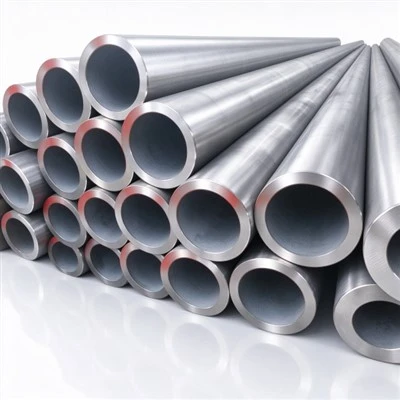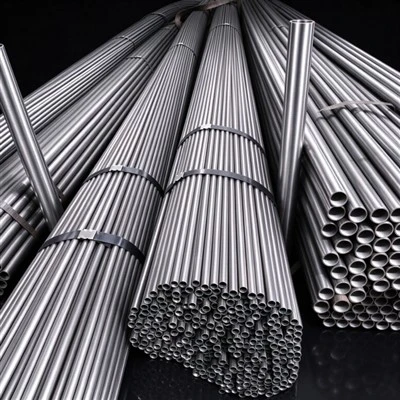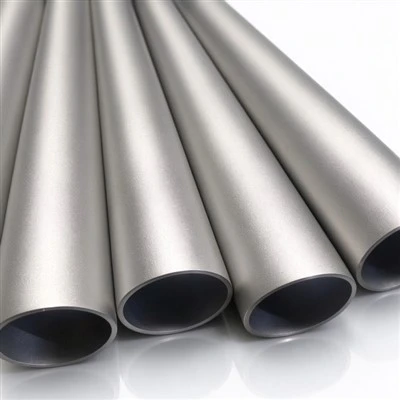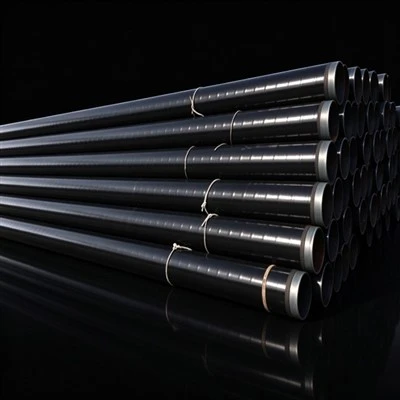

A flange is essentially a disc-shaped connecting component used primarily to join two pipes, valves, or equipment interfaces. It creates a detachable, sealed connection using bolts and gaskets and is widely used in piping, chemical processing, construction, and plumbing systems. Types include loose-type flanges, slip-on welding ring plate loose flanges, flanged ring plate loose flanges, and blind flanges.
1. By Chemical Industry (HG) standards: Integral flange (IF), threaded flange (Th), plate-type slip-on flange (PL), weld neck flange (WN), slip-on flange with hub (SO), socket weld flange (SW), lap joint flange with welding neck stub end (PJ/SE), lap joint flange with slip-on stub end (PJ/RJ), lined blind flange (BL(S)), blind flange (BL) [2].
2. By Petrochemical Industry (SH) standards: Threaded flange (PT), weld neck flange (WN), slip-on flange (SO), socket weld flange (SW), lap joint flange (LJ), blind flange (no specific designation).
3. By Machinery Industry (JB) standards: Integral flange, weld neck flange, plate-type slip-on flange, lap joint flange with welding neck stub end, lap joint flange with slip-on stub end, lap joint flange with flanged stub end, blind flange.
4. By National (GB) standards: Integral flange, threaded flange, weld neck flange, slip-on flange with hub, socket weld flange with hub, lap joint flange with welding neck stub end, plate-type slip-on flange, lap joint flange with welding neck stub end, lap joint flange with slip-on stub end, lap joint flange with flanged stub end, blind flange.