
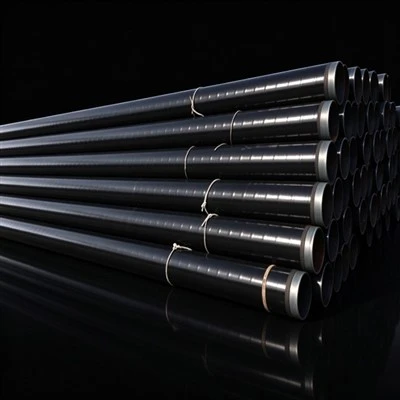
Insulated and anti-corrosive piping systems typically consist of four components: the carrier pipe, the insulation layer, the anti-corrosion layer, and the outer protective casing (or shell). The carrier pipe serves as the primary conduit for the transported medium; depending on the specific medium, it may be made of materials such as carbon steel, stainless steel, or plastic. The insulation layer utilizes high-efficiency materials-such as polyurethane foam, rock wool, or glass wool-applied around the carrier pipe via specific processes to effectively minimize heat loss and maintain the medium's temperature. The anti-corrosion layer protects the pipe against internal and external corrosion; it typically employs coatings such as epoxy resin, polyethylene, or 3PE, applied evenly to the pipe surface through methods like spraying or wrapping. Finally, the outer protective casing shields the insulation and anti-corrosion layers, protecting them from mechanical damage and environmental degradation.
Technical Principles Of Insulated And Anti-Corrosive Piping
Popular Products
-
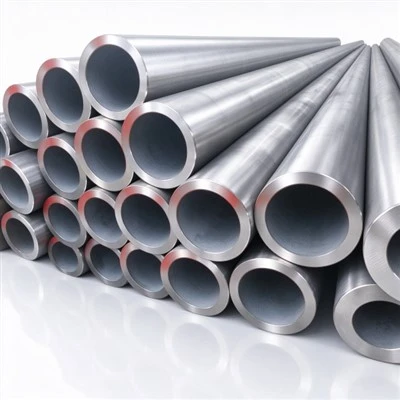
![Carbon Steel Seamless Pipe]() Carbon Steel Seamless PipeIn the global industrial pipeline engineering, energy transmission, and machinery manufacturing sectors, Carbon...read more
-
![Alloy Steel Seamless Pipe]() Alloy Steel Seamless PipeIn high-end industrial pipelines, power plants, and petrochemical refining projects, ordinary carbon steel seamless...read more
-
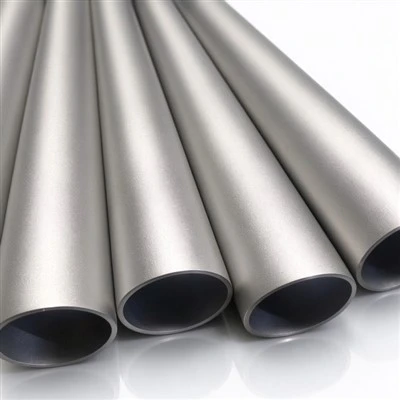
![Stainless Steel Seamless Pipe]() Stainless Steel Seamless PipeIn industrial piping systems, the selection of pipe materials often directly determines the operational stability...read more
-
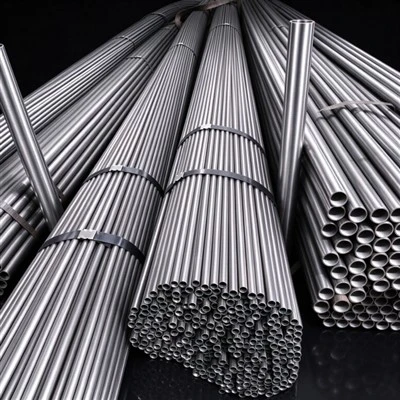
![High-Pressure Seamless Steel Pipe]() High-Pressure Seamless Steel PipeIn power, petrochemical, boiler, and hydraulic systems, there is a type of pipeline that constantly withstands...read more
Send Inquiry