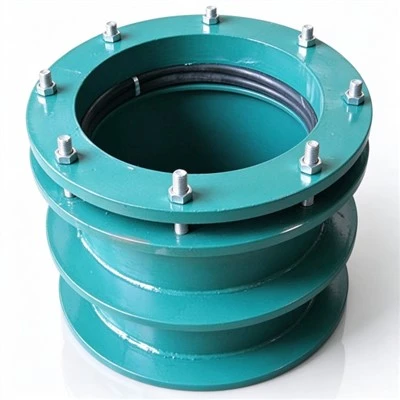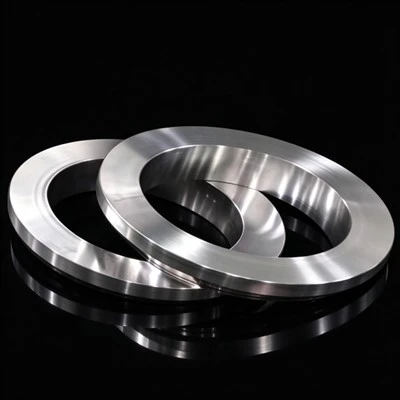

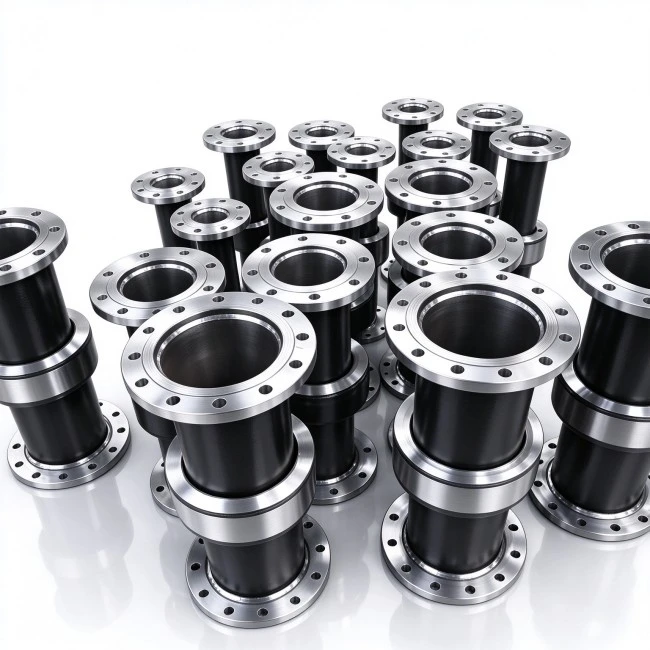


Cangzhou Avant International Trade Co., Ltd. is one of the leading manufacturers and suppliers of insulating joint in China. We are committed to providing high quality customized products with competitive price. Welcome to wholesale cheap insulating joint in stock here from our factory. Also, free sample is available.
We primarily promote the monolithic (one-piece) insulating joint (Model JT). These cover nominal diameters (DN) from DN25 to DN1200 and pressure ratings including PN1.6, PN2.5, PN4.0, PN6.3, and PN10; ANSI-standard versions are available from Class 150 to Class 900, making them suitable for everything from small-diameter station branch lines to large-diameter main transmission lines. For sites requiring disassembly for maintenance, we also supply matching insulating flange kits (standard sizes DN25–DN600, max pressure PN10) to facilitate future inspection and upkeep.
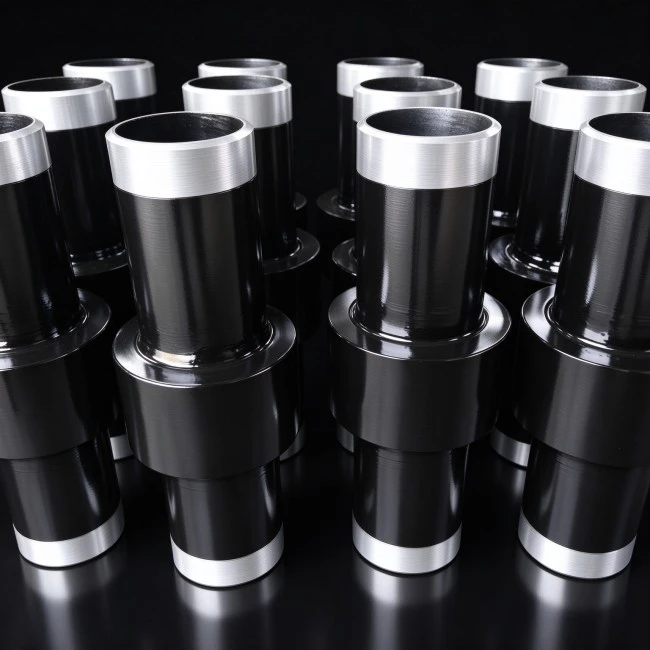
Monolithic insulating joints feature a factory-prefabricated, fully welded structure integrating an insulating plate, sealing rings, insulating filler material, and end nipples. As they require no on-site bolt assembly, they offer superior resistance to external soil loads in buried applications. The material for the end nipples can be matched to the client's pipeline specifications: standard lines typically use 20# or 16Mn steel; long-distance oil and gas pipelines commonly use API 5L grades such as B, X42, X52, X65, and X70; and projects involving corrosive media or marine environments can utilize upgraded 304 or 316L stainless steel. Standard operating temperatures range from -30°C to 90°C, with custom high-temperature insulating components available for specialized high-heat applications.
When selecting products, many buyers focus solely on pipe diameter while overlooking material compatibility and insulation performance specifications-a critical oversight. Ideally, the material of the insulating joint's end nipples should match that of the main pipeline; otherwise, uneven stress distribution or even cracking may occur after welding. The ex-factory insulation resistance standard is ≥10 MΩ, and the breakdown voltage is no less than 2.5 kV; hydrostatic testing is conducted at 1.5 times the design pressure. We test these parameters individually for every batch. For buried applications, the outer surface can be coated with FBE (fusion-bonded epoxy) or a dual-layer PE (polyethylene) anti-corrosion coating to mitigate external soil corrosion and extend service life.
Production strictly adheres to the SY/T 0516 specification while meeting relevant API and ASME pipeline standards, ensuring compliance with acceptance requirements for overseas oil and gas projects. All pressure-bearing welds undergo non-destructive testing (NDT), and shipments include material certificates, hydrostatic test reports, and insulation test records. Standard specifications are kept in stock for reliable delivery; custom orders-including non-standard bore sizes, special pressure ratings, and low-temperature applications-can be manufactured based on provided drawings and operating parameters.
Five Key Parameters for Selection
Nominal Diameter and Pressure: Selected based on pipeline DN and PN (or Class), similar to standard flanges. However, note that the pressure rating of an insulating joint is typically one grade higher than that of a flange of the same size, as the insulating assembly itself requires additional structural strength.
Insulation Resistance Requirements: General projects typically require ≥10 MΩ (tested at 500V DC), while high-requirement projects (such as long-distance oil and gas pipelines) may require ≥100 MΩ. This value must be documented in the ex-factory test report.
Cathodic Protection Potential Range: The pipeline's design protection potential (typically -0.85V to -1.2V vs. Cu/CuSO4 reference electrode) determines the DC voltage the insulating joint must withstand. If the potential range is not specified, a standard selection by the supplier may prove insufficient.
Medium and Temperature: The transported medium dictates the choice of internal coating and sealing materials. Natural gas, crude oil, refined products, and water each have different sealing material requirements. Temperature affects the choice of insulating ring material (e.g., epoxy resin, phenolic resin, or nylon); temperatures exceeding 120°C require specialized high-temperature insulating materials. External Coating Compatibility: The anti-corrosion coating on the exterior of the insulating joint must be compatible with the pipeline's main coating system (e.g., FBE, 3LPE, coal tar enamel). Otherwise, improper field joint coating could create new sites for corrosion.
Beyond product supply, our technical team assists clients with parameter verification. By simply providing details such as nominal diameter, design pressure, medium type, pipeline steel grade, and burial environment, clients can receive recommendations for the appropriate JT model, confirmation of pup-piece materials and external anti-corrosion specifications, and installation advice-thereby avoiding risks of cathodic protection failure caused by incorrect model selection.

Our insulating joints are currently exported to oil and gas projects across the Middle East, Southeast Asia, and Central Asia, finding wide application in natural gas trunklines, crude oil transmission, and municipal gas infrastructure. We handle orders of all scales, from bulk procurement for major pipeline EPC projects to smaller orders for station facilities. If you are seeking a direct manufacturer of high-quality insulating joints compatible with cathodic protection systems, please contact us. We can provide product drawings and comprehensive inspection documentation, arrange samples upon request, and look forward to discussing project cooperation in detail.
Hot Tags: insulating joint, China insulating joint manufacturers, suppliers, factory