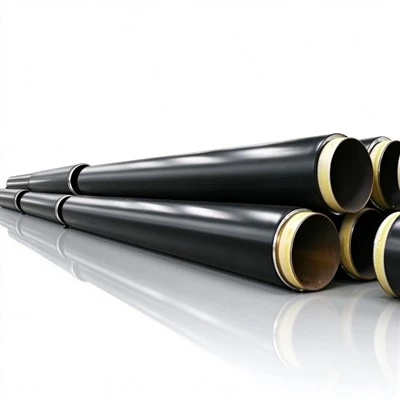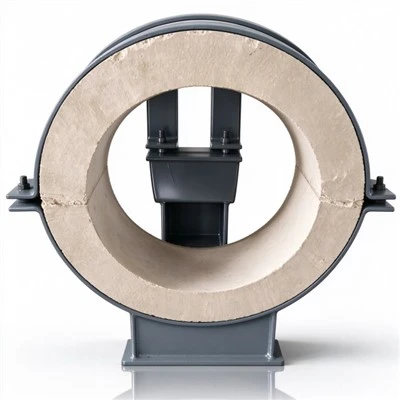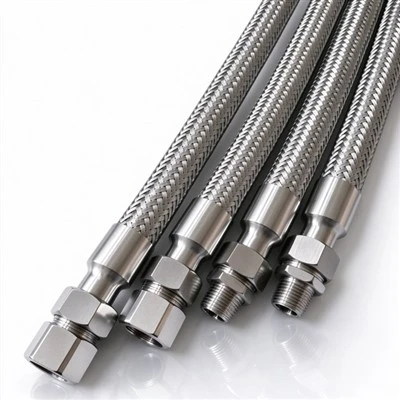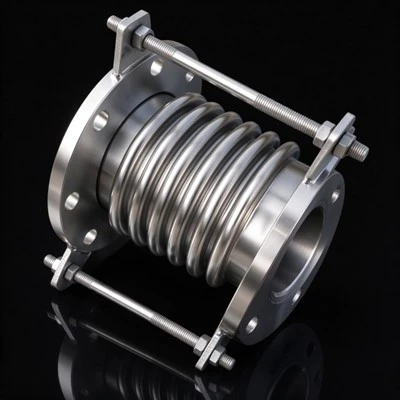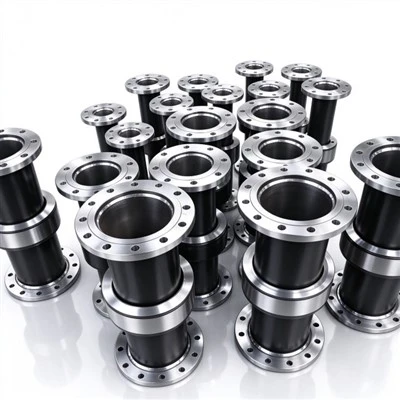

Cangzhou Avant International Trade Co., Ltd. is one of the leading manufacturers and suppliers of waterproof casing in China. We are committed to providing high quality customized products with competitive price. Welcome to wholesale cheap waterproof casing in stock here from our factory. Also, free sample is available.
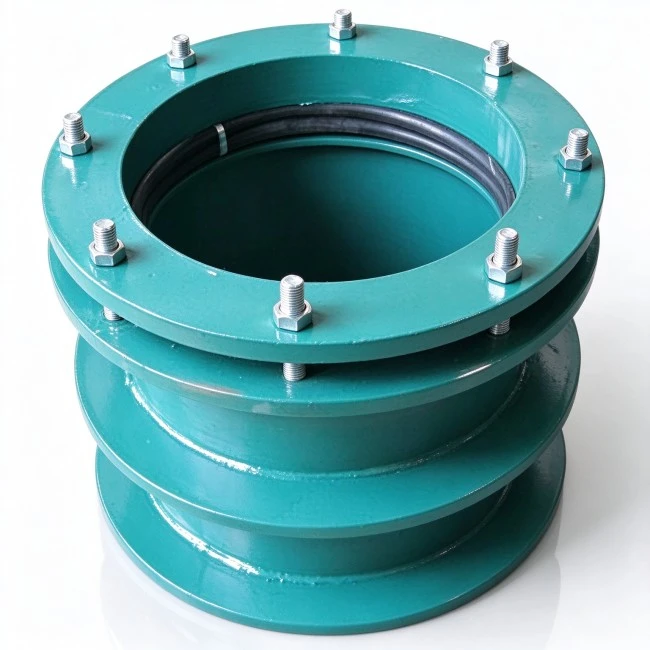
Through years of manufacturing and technical service, we have found that customers most frequently make mistakes by confusing the application scenarios for "rigid" versus "flexible" casings. Rigid waterproof casings feature a simple structure, relying primarily on the interlocking of a water-stop collar with the concrete to achieve waterproofing; they are suitable for stable environments where the pipe penetration point is not subject to vibration or expansion/contraction-such as standard basements or interior partition walls. However, in applications like fire-fighting water tanks, pump rooms, civil air defense projects, or regions with seismic design requirements, pipes inevitably experience vibration and thermal expansion/contraction during operation, and the building itself may undergo slight settlement. In these cases, a flexible waterproof casing is mandatory. These casings incorporate internal components such as flange glands, retaining rings, and rubber seals; they achieve an elastic, dynamic seal through bolt compression, effectively accommodating pipe movement and ensuring a truly watertight seal.
Beyond structural selection, material quality and anti-corrosion standards are critical benchmarks for manufacturers. We have encountered numerous cases where casings failed due to rust-through within just two or three years because of inadequate anti-corrosion treatment. For standard environments, Q235 carbon steel paired with red lead primer is the industry standard; however, for drinking water tanks, metal surfaces in contact with the water must feature non-toxic epoxy coatings to prevent secondary water contamination. Meanwhile, in coastal areas with high salt-spray exposure or environments involving chemical sewage, 304 or even 316L stainless steel represents the reliable choice capable of withstanding such corrosive conditions. Furthermore, both the national standard atlas (02S404) and the latest group standards impose strict tolerance requirements regarding the thickness of the water-stop collar and the flange. While some "non-standard" products on the market-often manufactured by cutting corners-may look similar, they are highly prone to deformation and failure under long-term hydraulic pressure surges.
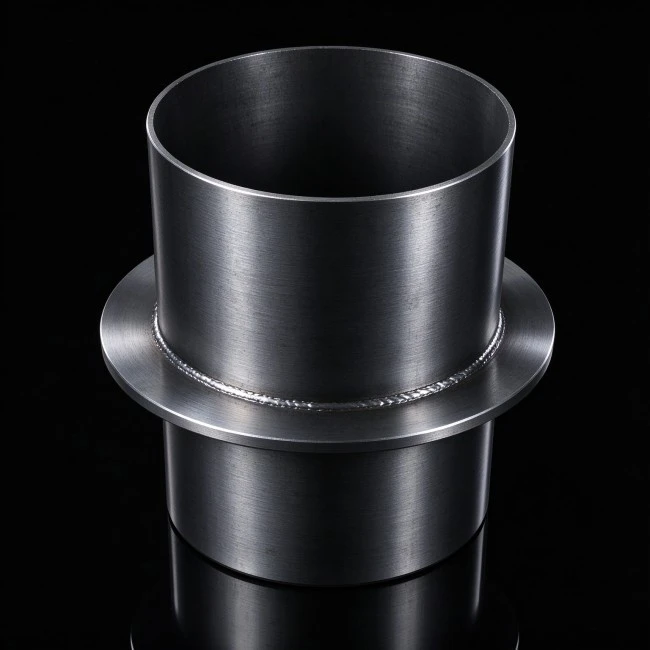
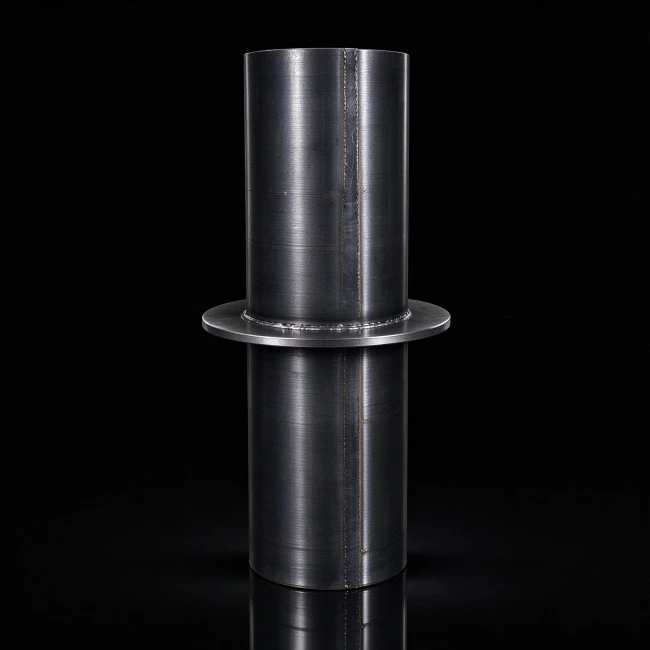
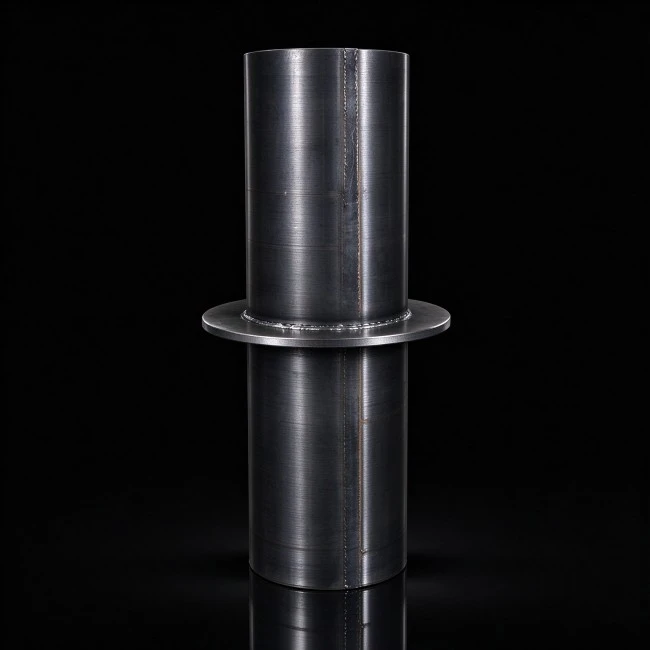
Rigid waterproof casings are commonly categorized into Types A, B, and C. Type A is designed for steel pipes passing directly through walls; Type B is suitable for applications requiring subsequent sealing with filler materials; and Type C is frequently used in concrete reservoir walls. Structurally, they consist of a casing body welded to a water-stop collar; they are embedded into concrete walls during pouring, utilizing the collar to increase the bonding surface area with the concrete and effectively cut off seepage paths. Featuring a simple structure and cost-effective production, they are widely used in projects involving non-vibrating interior walls, standard exterior walls, and floor slabs-making them the preferred choice for low-pressure applications where significant pipe vibration is absent.
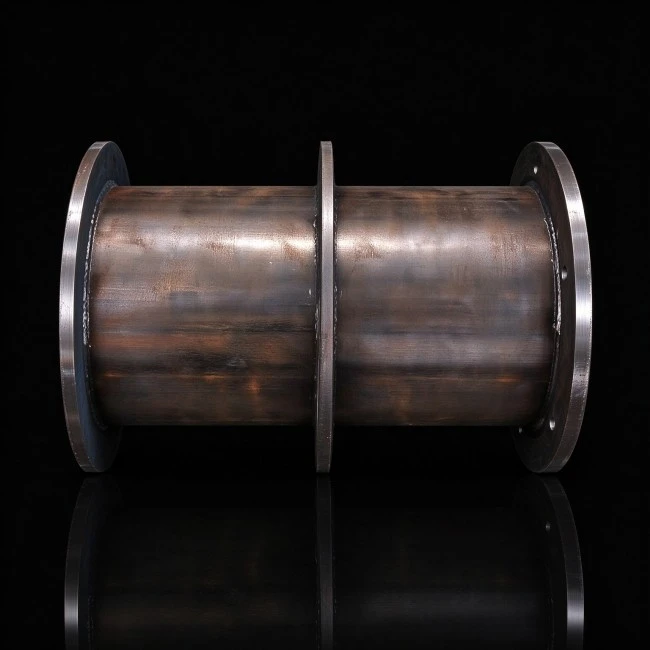
Flexible waterproof casings are also categorized into Types A and B. Type B is primarily used for piping subject to vibration, such as pump inlet/outlet lines in pump rooms or process piping in sewage tanks, whereas Type A is generally used for the exterior walls of standard reservoirs. In addition to the casing body and water-stop collar, flexible casings are equipped with internal rubber sealing rings, pressure plates, and tightening bolts. Once the pipe is inserted, the pressure plate is tightened to compress the rubber ring against the pipe, maintaining a secure seal even in the presence of slight vibration or uneven foundation settlement. This type is the standard choice for projects with stringent anti-seepage requirements, such as civil air defense facilities, basements with high groundwater levels, and seawater reservoirs.
Our waterproof casings are consistently exported to regions including Southeast Asia, the Middle East, and Australia, finding extensive application in sewage treatment, underground construction, power plant reservoirs, and municipal pipeline projects. We are fully equipped to handle orders of all scales-from large-volume procurement for major general contracting projects to smaller orders for equipment integration. If you are seeking a direct manufacturer offering a comprehensive range of specifications, consistent quality, and custom non-standard production, please contact us. We can provide technical documentation (including standard atlas data and product drawings), material certifications, and samples upon request. We look forward to discussing potential project collaborations with you.
Hot Tags: waterproof casing, China waterproof casing manufacturers, suppliers, factory