
1. Superior mechanical properties: Ductile iron typically exhibits a tensile strength of 400–900 MPa and an elongation of 2%–18%; its overall mechanical performance rivals or even surpasses that of certain cast steel components, yet production costs are lower.
2. Excellent casting characteristics: Ductile iron possesses good fluidity and strong mold-filling capability, allowing for the casting of complex shapes and parts with uneven wall thicknesses; it is suitable for a wide range of casting processes.
3. Vibration damping and wear resistance: Ductile iron offers excellent vibration-damping qualities, effectively reducing vibration and noise during machine operation; additionally, its wear resistance is superior to that of standard gray cast iron, making it ideal for components subject to friction.
4. Cost-effectiveness: Compared to forged or cast steel parts, ductile iron components offer lower material and processing costs, while their properties can be further tailored through heat treatments such as normalizing, quenching and tempering, or austempering.
Characteristics of Ductile Iron Castings
Popular Products
-
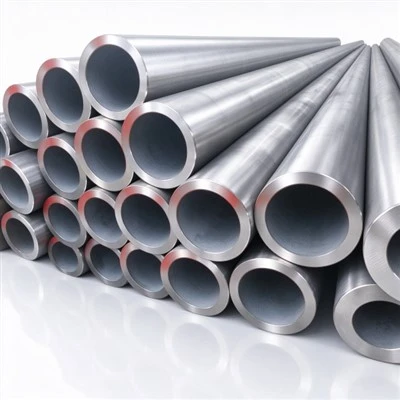
![Carbon Steel Seamless Pipe]() Carbon Steel Seamless PipeIn the global industrial pipeline engineering, energy transmission, and machinery manufacturing sectors, Carbon...read more
-
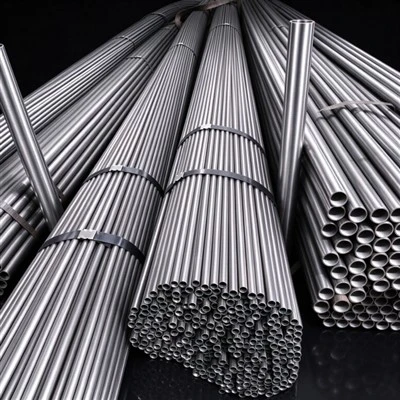
![Alloy Steel Seamless Pipe]() Alloy Steel Seamless PipeIn high-end industrial pipelines, power plants, and petrochemical refining projects, ordinary carbon steel seamless...read more
-
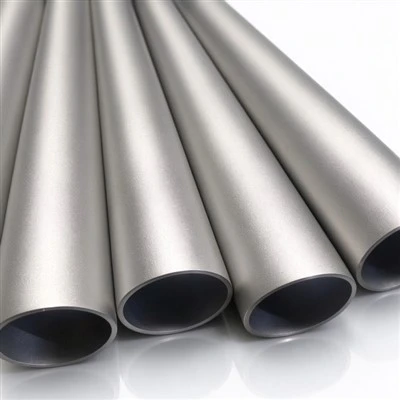
![Stainless Steel Seamless Pipe]() Stainless Steel Seamless PipeIn industrial piping systems, the selection of pipe materials often directly determines the operational stability...read more
-
![High-Pressure Seamless Steel Pipe]() High-Pressure Seamless Steel PipeIn power, petrochemical, boiler, and hydraulic systems, there is a type of pipeline that constantly withstands...read more
Send Inquiry