
The production and inspection of ductile iron castings must adhere to rigorous standards and specifications. Regarding chemical composition, for instance, the content of elements such as carbon, silicon, and manganese must be strictly controlled to ensure optimal mechanical and machining properties. In terms of mechanical performance, the castings are required to meet specific benchmarks for tensile strength, yield strength, and elongation. Inspection protocols typically employ non-destructive testing methods-such as ultrasonic and magnetic particle testing-to verify internal quality.
These standards define key parameters for ductile iron castings, including material chemical composition, mechanical properties, and microstructure; they cover production processes, inspection rules, and acceptance criteria, while also introducing new grades and elongation requirements. The technical content incorporates modifications based on the international standard ISO 1083:2018 (*Spheroidal graphite cast irons - Classification*), with classification codes corresponding to the Chinese standard J31 and the international standard 77.140.80.
Industry Standards for Ductile Iron Castings
Popular Products
-
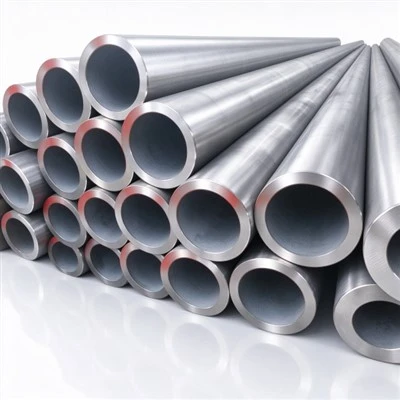
![Carbon Steel Seamless Pipe]() Carbon Steel Seamless PipeIn the global industrial pipeline engineering, energy transmission, and machinery manufacturing sectors, Carbon...read more
-
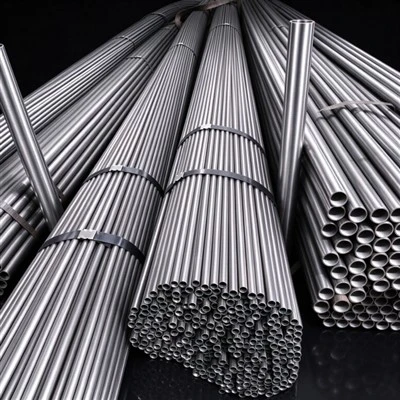
![Alloy Steel Seamless Pipe]() Alloy Steel Seamless PipeIn high-end industrial pipelines, power plants, and petrochemical refining projects, ordinary carbon steel seamless...read more
-
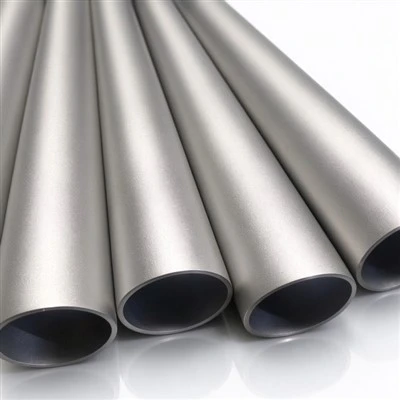
![Stainless Steel Seamless Pipe]() Stainless Steel Seamless PipeIn industrial piping systems, the selection of pipe materials often directly determines the operational stability...read more
-
![High-Pressure Seamless Steel Pipe]() High-Pressure Seamless Steel PipeIn power, petrochemical, boiler, and hydraulic systems, there is a type of pipeline that constantly withstands...read more
Send Inquiry