
Energy-saving requirements have led to a fundamental redesign of components to achieve reduced weight and higher efficiency, inevitably prompting designers to focus on materials. Ductile iron is increasingly recognized for its high strength-to-weight ratio and cost-effective production. While the tonnage and market penetration of ductile iron have grown remarkably, the material has by no means reached its full potential; consequently, foundries that do not currently produce ductile iron would be well-advised to reconsider the possibilities in this area.
Therefore, a continued increase in ductile iron production tonnage is anticipated as it replaces gray iron, malleable iron, and cast steel components. Published literature has been instrumental in assisting foundries in this regard, and evaluation metrics continue to improve. However, if the molten iron temperature drops below 1450°C, the inoculation effect diminishes significantly, and the RG value remains virtually unchanged. Data from Table 3 indicate that the quality index of inoculated iron melted with foundry coke is 18% higher than that melted with metallurgical coke; notably, the relative hardness actually decreases by 3%.
Future Trends for Ductile Iron Castings
Popular Products
-
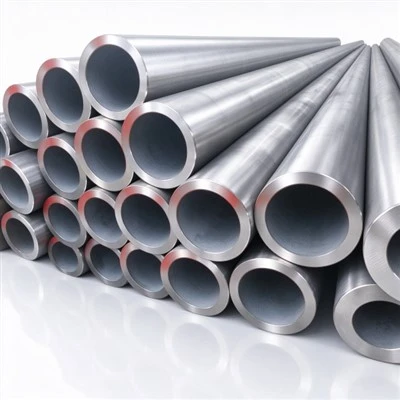
![Carbon Steel Seamless Pipe]() Carbon Steel Seamless PipeIn the global industrial pipeline engineering, energy transmission, and machinery manufacturing sectors, Carbon...read more
-
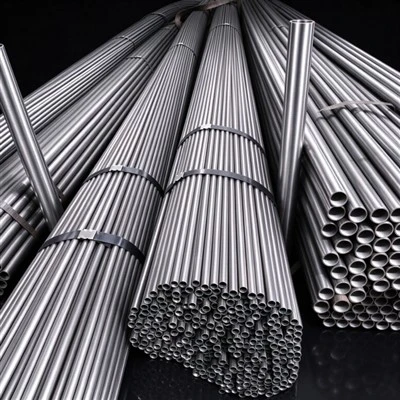
![Alloy Steel Seamless Pipe]() Alloy Steel Seamless PipeIn high-end industrial pipelines, power plants, and petrochemical refining projects, ordinary carbon steel seamless...read more
-
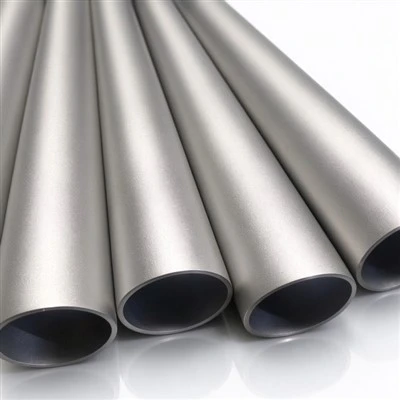
![Stainless Steel Seamless Pipe]() Stainless Steel Seamless PipeIn industrial piping systems, the selection of pipe materials often directly determines the operational stability...read more
-
![High-Pressure Seamless Steel Pipe]() High-Pressure Seamless Steel PipeIn power, petrochemical, boiler, and hydraulic systems, there is a type of pipeline that constantly withstands...read more
Send Inquiry