
When selecting pipe fittings, one must comprehensively consider the characteristics of the medium, temperature, pressure, and installation environment. For instance, when transporting corrosive fluids, 304 or 316L stainless steel is the preferred choice, with particular attention paid to weld quality; conversely, high-temperature, high-pressure steam pipelines require heat-resistant alloy steel. Additionally, surface treatments-such as galvanizing or powder coating-are crucial for extending service life. In practical application, it is essential to ensure that the specifications of the fittings match those of the piping to prevent leaks or stress concentrations caused by dimensional discrepancies. Quality control must strictly adhere to national standards, employing non-destructive testing methods (such as ultrasonic or radiographic inspection) to ensure the absence of internal defects like cracks or porosity. With the advancement of industrial automation, smart monitoring fittings are gaining prominence, providing data to support the safe operation of pipeline systems. In summary, selecting the right pipe fittings is not merely a technical matter but an economic decision vital to the system's long-term, stable operation.
Selecting Pipe Fittings
Popular Products
-
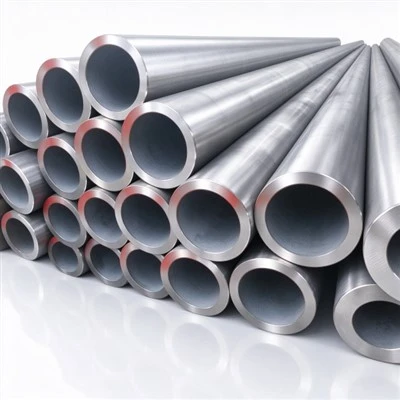
![Carbon Steel Seamless Pipe]() Carbon Steel Seamless PipeIn the global industrial pipeline engineering, energy transmission, and machinery manufacturing sectors, Carbon...read more
-
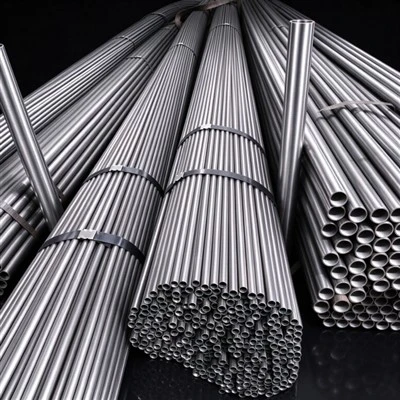
![Alloy Steel Seamless Pipe]() Alloy Steel Seamless PipeIn high-end industrial pipelines, power plants, and petrochemical refining projects, ordinary carbon steel seamless...read more
-
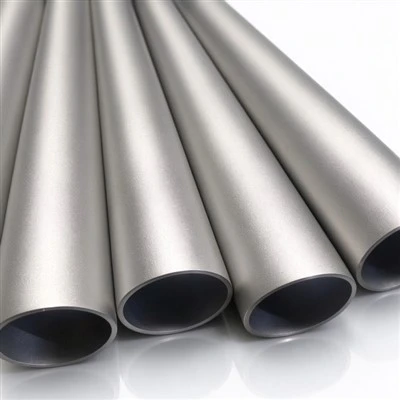
![Stainless Steel Seamless Pipe]() Stainless Steel Seamless PipeIn industrial piping systems, the selection of pipe materials often directly determines the operational stability...read more
-
![High-Pressure Seamless Steel Pipe]() High-Pressure Seamless Steel PipeIn power, petrochemical, boiler, and hydraulic systems, there is a type of pipeline that constantly withstands...read more
Send Inquiry