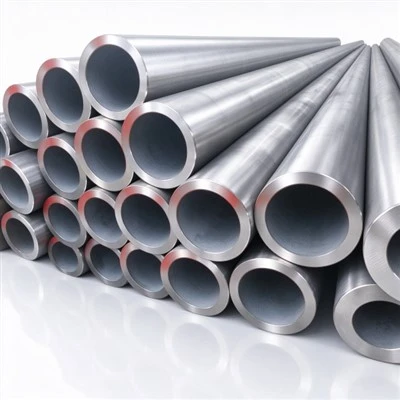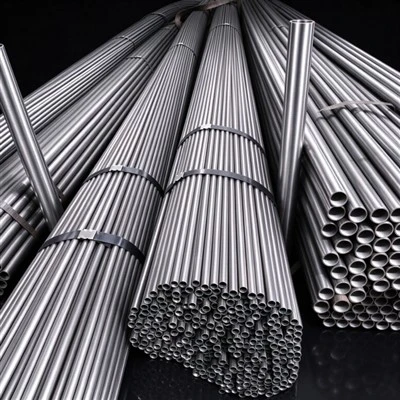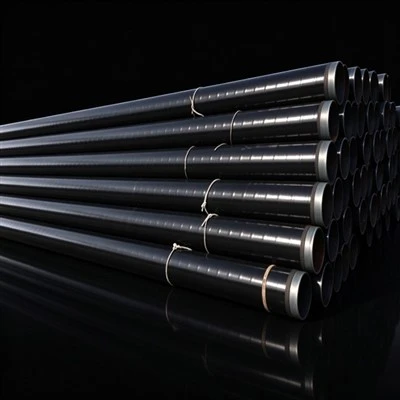

As a fundamental tubular product in the steel industry, steel pipes are prized for their high structural strength and versatility, making them critical materials in sectors such as energy and chemicals, mechanical manufacturing, and marine engineering. Their primary functions involve fluid transport and bearing structural loads; through material and process optimization, they can meet the demands of harsh operating conditions-such as high temperatures and corrosive environments-serving as indispensable components in modern industry.
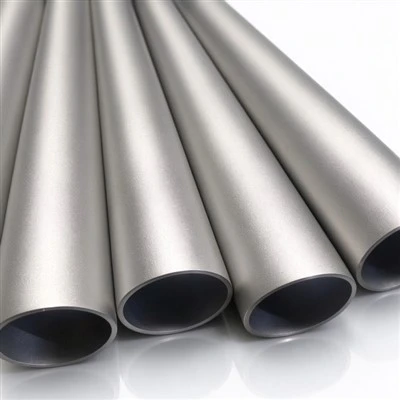
Steel pipes are manufactured from steel using hot-rolling, cold-rolling, or welding processes; their hollow internal structure effectively reduces weight and enhances fluid transport efficiency. Key technical parameters include pressure-bearing capacity and corrosion resistance: high pressure-bearing capability is achieved by optimizing wall thickness and material strength, while corrosion resistance relies on surface treatment processes or the selection of specialized materials such as stainless steel. For instance, stainless steel pipes form a dense oxide film through the addition of elements like chromium and nickel, enabling long-term resistance to acidic and alkaline environments, while their smooth surface finish further minimizes fluid transport resistance.