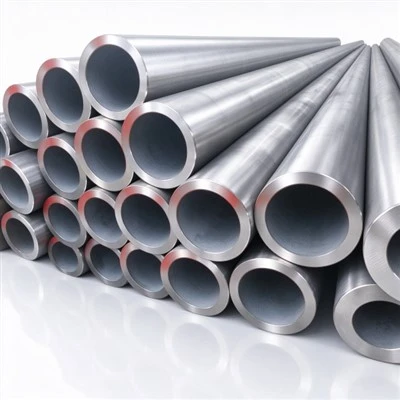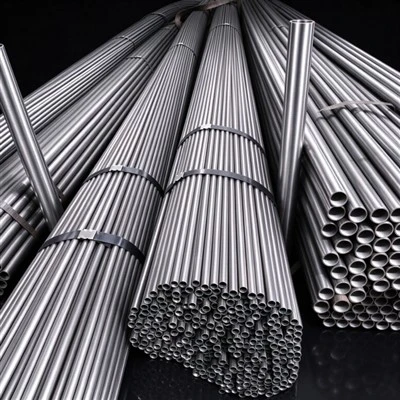

In the energy and chemical sectors, steel pipes are used to transport media such as oil and natural gas; their corrosion resistance extends the pipeline's service life. In mechanical machining, high-precision steel pipes serve as shaft components or structural supports, ensuring operational stability. The marine and offshore engineering sectors rely on their resistance to seawater corrosion for constructing ship hulls and subsea pipelines. Operational precautions include: inspecting the pipe surface for defects like cracks or pinholes prior to installation; selecting materials based on the medium's properties (e.g., using 316L stainless steel for highly acidic environments); strictly controlling welding temperatures to prevent material degradation; and regularly monitoring wall thickness to prevent perforation caused by long-term wear.
Construction Structures: Steel pipes are widely used in building frameworks, support structures, and scaffolding due to their high strength, light weight, and ease of installation.
Fluid Transport: Steel pipes are ideal for transporting fluids such as water, oil, and gas, particularly in petroleum, chemical, and water supply systems.
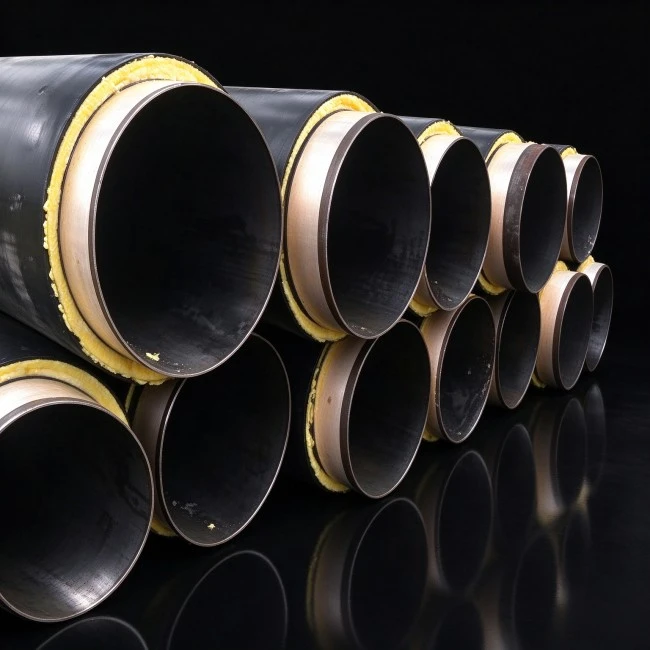
Mechanical Manufacturing: Steel pipes are used to manufacture mechanical parts, bearings, and hydraulic cylinders, valued for their high precision and durability.
Bridge Construction: In bridge construction, steel pipes serve as guardrails and support columns, providing safety protection and structural stability.
Decorative Applications: Stainless steel pipes are frequently used for indoor and outdoor decoration, railings, and furniture due to their aesthetic appeal and corrosion resistance.
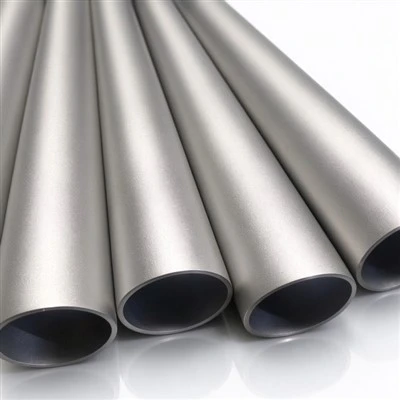
Steel pipes come in various materials-including carbon steel, stainless steel, and alloy steel-each suited to specific environments and requirements. For instance, stainless steel pipes (such as grades 304 and 201) are commonly used in outdoor and humid environments thanks to their corrosion resistance and attractive appearance.
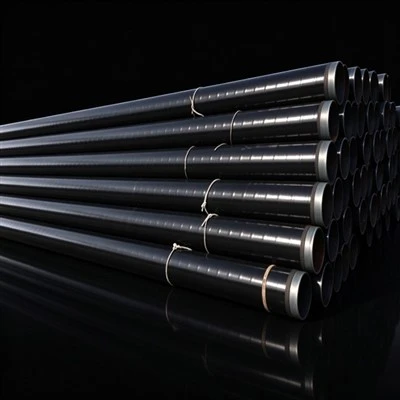
Steel pipes are available in a wide range of specifications, with lengths, diameters, and wall thicknesses that can be customized to meet specific needs. Surface treatments include bright finishes, brushed finishes, painting, and galvanizing to suit different application scenarios and aesthetic preferences.