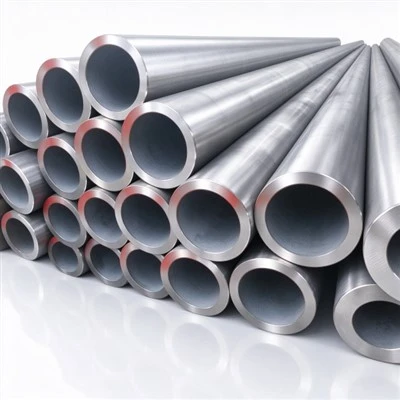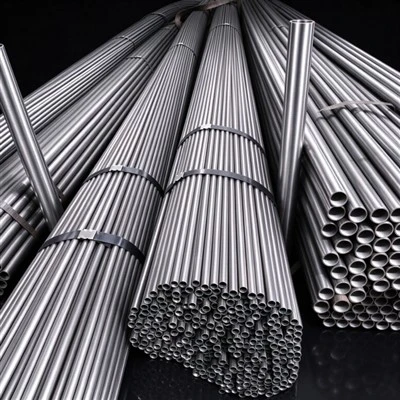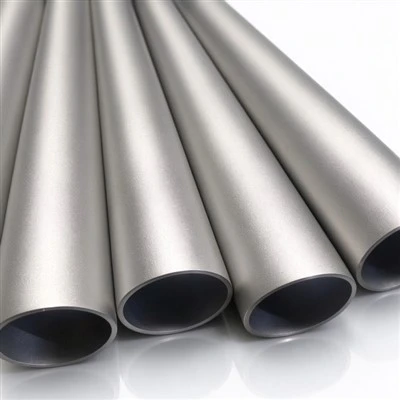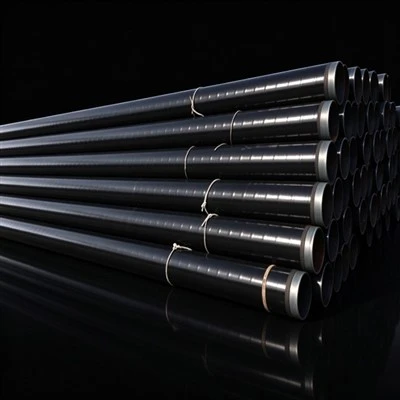

Steel products characterized by a hollow cross-section and a length significantly greater than their diameter or circumference. They are classified by cross-sectional shape (round, square, rectangular, or special-shaped); by material (carbon structural steel, low-alloy structural steel, alloy steel, or composite steel); by application (fluid transport, engineering structures, thermal equipment, petrochemical industry, machinery manufacturing, geological drilling, high-pressure equipment, etc.); and by production process (seamless vs. welded). Seamless pipes are further categorized into hot-rolled and cold-rolled (or cold-drawn) types, while welded pipes are categorized into straight-seam and spiral-seam types.
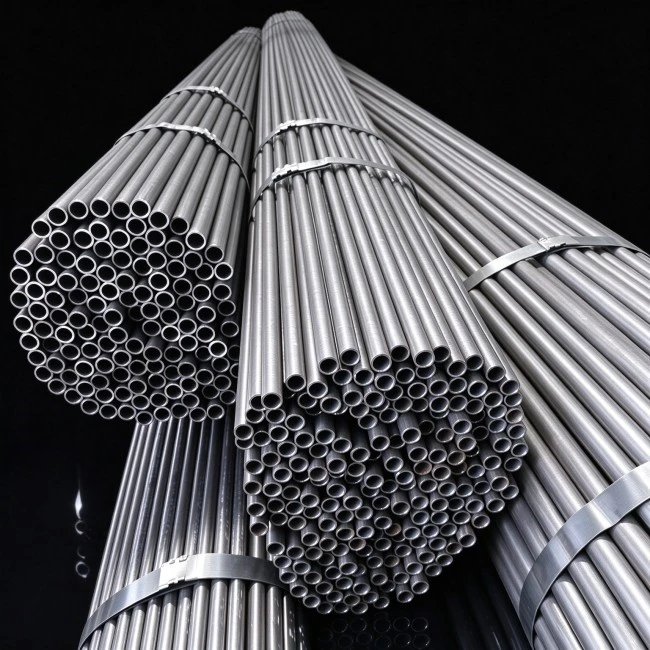
Steel pipes are not only used for transporting fluids and powdered solids, exchanging heat, and manufacturing mechanical parts and vessels, but they also serve as an economical steel product. Using steel pipes to construct building frameworks, pillars, and mechanical supports reduces weight and saves 20–40% of metal, while also enabling industrialized, mechanized construction. Utilizing steel pipes for highway bridges saves material and simplifies construction; it also significantly reduces the surface area requiring protective coatings, thereby lowering both initial investment and maintenance costs.