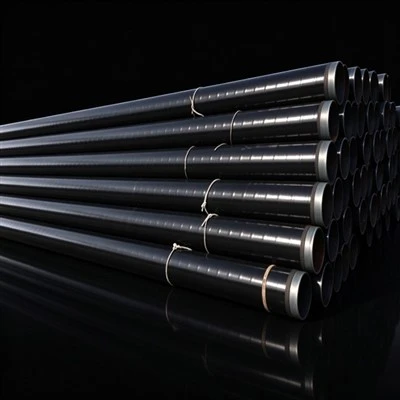

In terms of structural function, common types of pipe fittings include elbows (for changing flow direction), tees (for splitting or merging flow), crosses (for multi-directional connections), reducers (for connecting pipes of different diameters), and flanges (to facilitate disassembly and maintenance). Categorized by material, they primarily include carbon steel, stainless steel, alloy steel, copper, PVC, and PPR; among these, carbon steel dominates high-pressure engineering applications due to its high strength and cost-effectiveness, while stainless steel is highly favored in the food, pharmaceutical, and marine sectors for its excellent corrosion resistance.
There is no standardized template for the structure of pipe fittings; designs vary significantly depending on the intended application. Broadly speaking, pipe fittings are components within a piping system used to connect sections, change direction, alter pipe diameter, or divert flow. They generally consist of a body and connection points, with their specific structure determined by the material and function.