
There are two primary international systems for pipe flange standards: the European system, represented by German DIN standards (including those of the former Soviet Union), and the American system, represented by ANSI standards. Additionally, there is the Japanese JIS standard; however, in petrochemical facilities, it is generally used only for utility systems and has limited international influence. Brief descriptions of the pipe flange standards from various countries follow:
1. European system pipe flanges, represented by Germany and the former Soviet Union.
2. American system pipe flanges, represented by ANSI B16.5 and ANSI B16.47.
3. British and French pipe flange standards; each of these countries maintains two sets of standards.
In summary, internationally recognized pipe flange standards can be categorized into two distinct and mutually incompatible systems: the European system (represented by Germany) and the American system (represented by the United States).
ISO 7005-1 is a standard issued by the International Organization for Standardization in 1992; it effectively merges the American and German pipe flange standard series into a single unified standard.
Pipe Flange Standard Systems
Previous
Advantages Of FlangesPopular Products
-
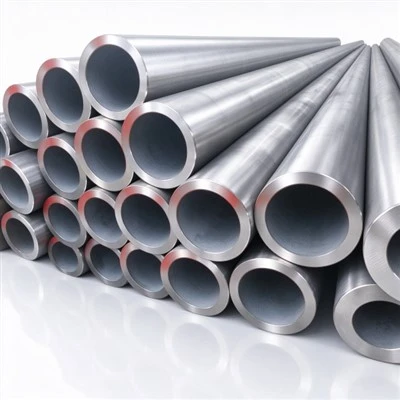
![Carbon Steel Seamless Pipe]() Carbon Steel Seamless PipeIn the global industrial pipeline engineering, energy transmission, and machinery manufacturing sectors, Carbon...read more
-
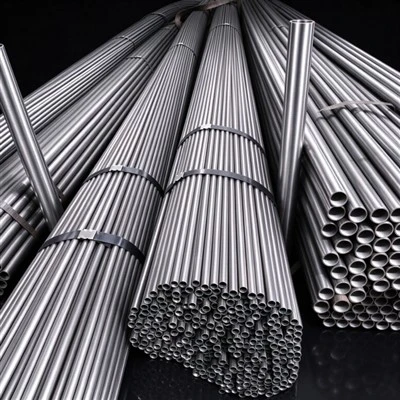
![Alloy Steel Seamless Pipe]() Alloy Steel Seamless PipeIn high-end industrial pipelines, power plants, and petrochemical refining projects, ordinary carbon steel seamless...read more
-
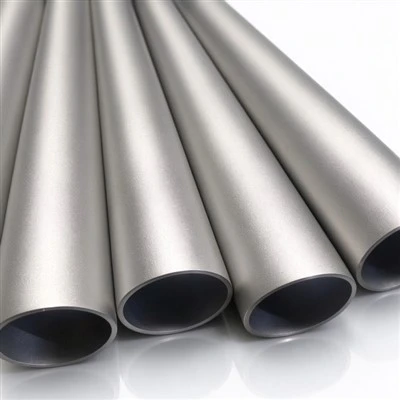
![Stainless Steel Seamless Pipe]() Stainless Steel Seamless PipeIn industrial piping systems, the selection of pipe materials often directly determines the operational stability...read more
-
![High-Pressure Seamless Steel Pipe]() High-Pressure Seamless Steel PipeIn power, petrochemical, boiler, and hydraulic systems, there is a type of pipeline that constantly withstands...read more
Send Inquiry