


Cangzhou Avant International Trade Co., Ltd. is one of the leading manufacturers and suppliers of shipping container in China. We are committed to providing high quality customized products with competitive price. Welcome to wholesale cheap shipping container in stock here from our factory. Also, free sample is available.
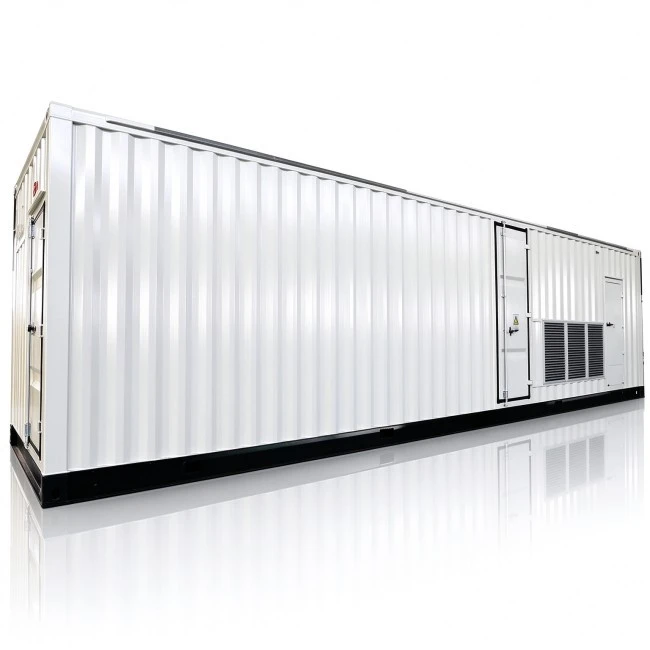
Common types of shipping containers include dry van (standard) containers, high-cube containers, open-top containers, flat-rack containers, refrigerated (reefer) containers, tank containers, ventilated containers, garment containers, and dry bulk containers. Among these, standard dry van and high-cube containers are the most widely used, suitable for the vast majority of general cargo. Open-top and flat-rack containers are better suited for equipment that is oversized (too tall, wide, or heavy) or otherwise difficult to load through standard container doors. Refrigerated containers are designed for temperature-sensitive goods; tank containers are primarily used for liquids or gases; and dry bulk containers are ideal for unpackaged bulk commodities such as grains, ores, cement, or plastic pellets.
In terms of dimensions, 20-foot, 40-foot, and 40-foot high-cube containers are the most common specifications. A 20-foot container is well-suited for smaller shipments, heavy cargo, or scenarios requiring greater flexibility, while a 40-foot container offers larger loading space. A 40-foot high-cube container provides additional height compared to a standard 40-foot unit, making it ideal for bulky yet relatively lightweight cargo. Internal dimensions, volume, and weight limits can vary depending on the shipping line, the condition of the container, and the manufacturing standards; therefore, exact specifications should always be confirmed based on the specific order and applicable standards.
Container bodies are typically constructed from materials such as steel, aluminum, stainless steel, or fiberglass-reinforced plastic (FRP). Steel containers offer high strength at a relatively controlled cost, making them well-suited for standard ocean freight and terminal handling. Aluminum containers are lighter and provide superior corrosion resistance, while stainless steel and specialized materials are typically reserved for tank containers or applications requiring high levels of corrosion protection. Components such as corner castings, door locking mechanisms, gaskets, flooring, and ventilation systems also play a critical role in the ease of loading and unloading, the integrity of the seal, and the overall service life of the container.
We offer a comprehensive range of containers tailored to client needs, including standard dry containers, high-cube containers, open-top containers, flat-rack containers, refrigerated containers (reefers), tank containers, and bulk containers. We provide new units, used units, or customized modification solutions depending on the intended use. Common applications include international ocean freight exports, temporary on-site storage for construction projects, equipment transport, port operations, and the bulk transport of mining or agricultural products. We also facilitate the conversion of containers into mobile offices, retail shops, dormitories, or storage facilities. Throughout the production and supply process, we prioritize structural integrity, welding quality, anti-corrosion treatment, door seal performance, the strength of corner castings, and overall exterior finish. We can also work with clients to ensure compliance with relevant international standards or specific inspection requirements.
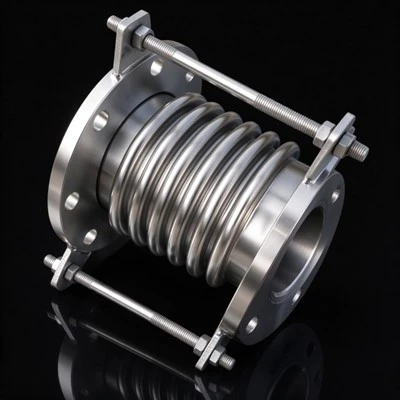
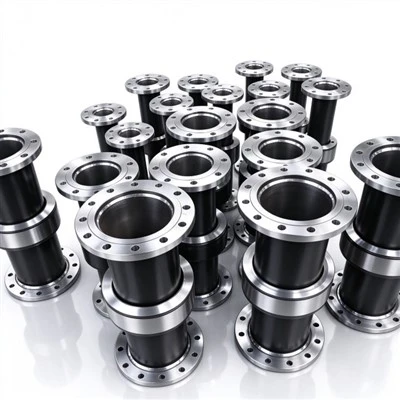
Our manufacturing adheres to the ISO 6346 international standard for containers. For export units, we can provide inspection certificates from classification societies such as CCS or BV. Every unit undergoes rigorous factory testing-including watertightness, stacking strength, and lifting load tests-and is clearly marked with essential specifications, such as the manufacturer's plate, maximum gross weight, tare weight, and payload capacity. Many of our long-term general contractor clients often bundle containers with scaffolding components, flanges, or forgings; in such cases, we assist with container loading configurations and stowage planning to optimize space utilization and prevent overloading.
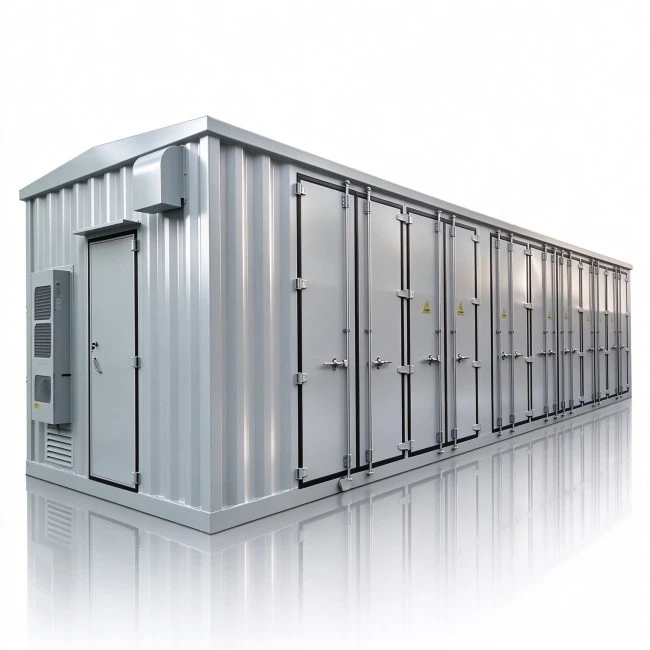
When selecting a container, there are several key factors to consider. First, determine whether you require a carrier-owned container (COC) or a shipper-owned container (SOC). Second, assess whether your cargo is "heavy" (high density) or "voluminous" (low density)-generally, 20-foot standard containers (20GP) are preferred for heavy cargo, while 40-foot high-cube containers (40HC) are better suited for voluminous goods. For oversized or non-standard cargo, it is essential to verify the internal dimensions and maximum load capacity of open-top or flat-rack containers in advance. For containers intended for long-term use in coastal environments, we recommend choosing weather-resistant steel (Corten steel) and performing regular anti-rust maintenance.

If you are a trader, a general contractor, or a procurement representative for an equipment manufacturer, simply provide us with the container type, specify whether you require new or used units, and indicate the intended use-such as for ocean freight or on-site storage-and we will provide a tailored solution and quotation. For new containers, we offer custom logo printing and bespoke paint schemes; all units are treated with protective coatings before leaving the factory, and we ensure reliable lead times for bulk orders. Please feel free to share your detailed requirements or technical drawings so we can discuss your needs further.
Hot Tags: shipping container, China shipping container manufacturers, suppliers, factory